Introduction
The AI language model, ChatGPT, has become a crucial tool for millions of users worldwide, offering conversational assistance, content generation, and more. However, the recent reports of ChatGPT downtime have raised concerns about its reliability and the implications for users and businesses that rely on it for day-to-day operations. As digital tools become increasingly embedded in our daily lives, understanding the factors that contribute to downtime is essential for maintaining trust and efficiency in AI services.
What Happened?
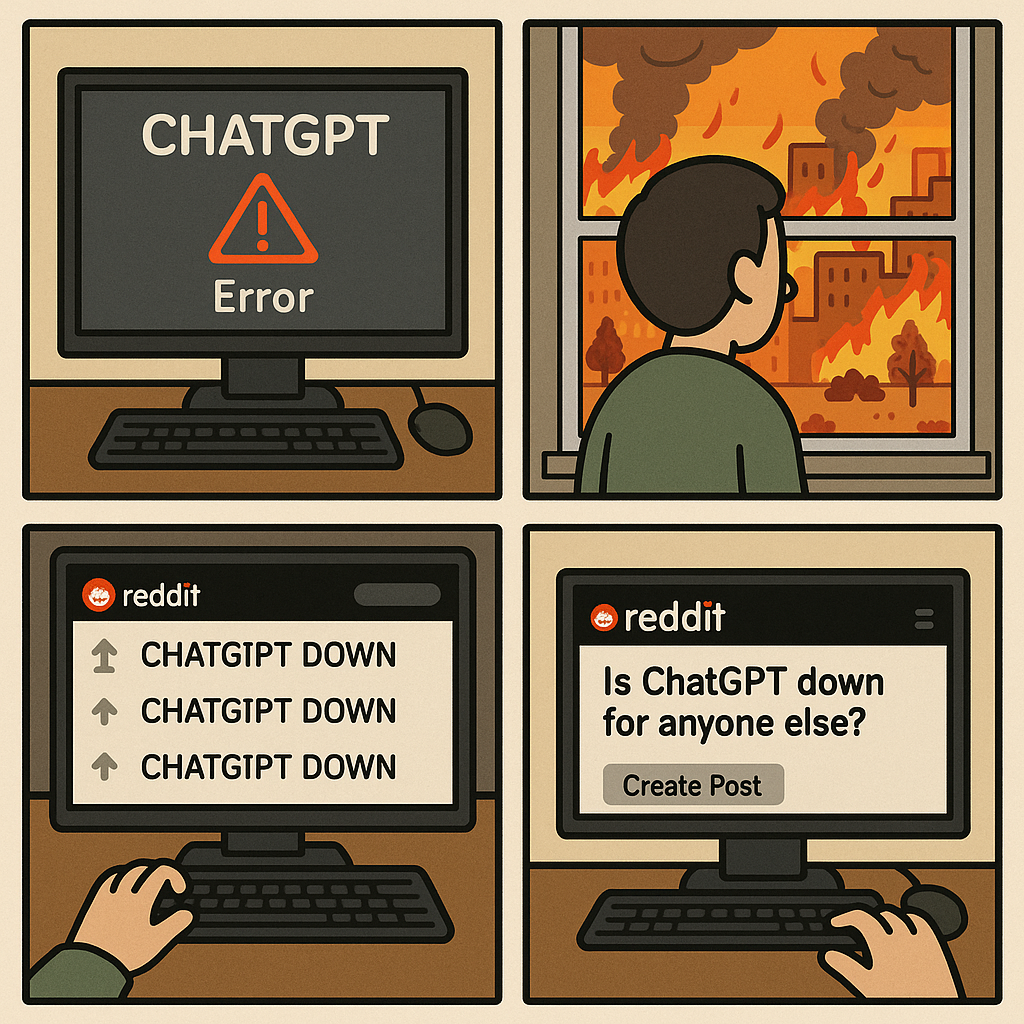
On October 15, 2023, users began experiencing outages with ChatGPT, with many reporting difficulties accessing the service and receiving error messages. The issue persisted for several hours, prompting significant concerns among users and businesses that depend on the platform for various applications including customer service, content creation, and educational support. OpenAI, the creator of ChatGPT, confirmed via their official channels that they were aware of the issue and were working diligently to resolve it. They attributed the downtime to a software update that had unintentionally affected server performance.
Impact on Users
The downtime led to a wave of frustration across different sectors. Businesses relying on ChatGPT for customer interactions experienced interruptions, potentially leading to lost sales and diminished customer satisfaction. Educators who use ChatGPT as a teaching assistant reported difficulties in conducting classes, while content creators faced delays in producing work. Social media platforms saw an influx of users voicing their concerns and sharing their experiences, underlining the widespread reliance on the tool.
Response from OpenAI
In response to the situation, OpenAI communicated transparency about the challenges faced, issuing regular updates on the status of the service. The company also emphasized its commitment to improving the robustness of its infrastructure to avoid such incidents in the future. By October 16, most users reported that the service had been restored, and OpenAI announced that a thorough review would be conducted to prevent similar occurrences.
Conclusion
While the recent downtime of ChatGPT was a temporary setback, it highlights the dependency on AI-driven tools and the challenges that come with maintaining their operational readiness. For users, these events serve as a reminder of the importance of being prepared for service interruptions and exploring alternative solutions where possible. Moving forward, OpenAI’s commitment to infrastructure improvement is crucial for enhancing service reliability. As technology continues to play a significant role in our daily lives, ensuring that platforms like ChatGPT remain accessible and efficient will be paramount for user satisfaction and continued innovation in the field.