Introduction
The shingles vaccine has become a crucial health topic as it offers significant protection against shingles, a painful viral infection caused by the reactivation of the varicella-zoster virus. In the United States, shingles affects around one in three people, especially older adults. Vaccination is key to reducing the incidence of this debilitating condition and its complications, such as postherpetic neuralgia. As health authorities continue to encourage vaccinations, understanding the shingles vaccine’s relevance is imperative for public health.
Current Events and Recommendations
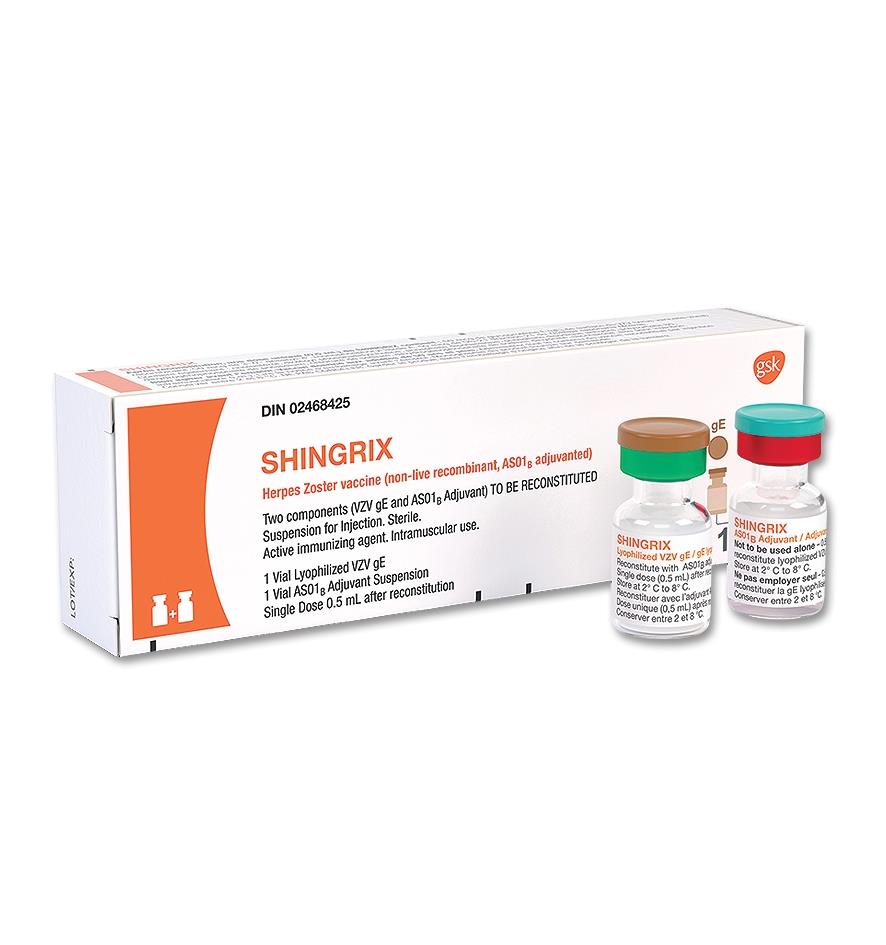
As of October 2023, the Centers for Disease Control and Prevention (CDC) has updated its recommendations, urging adults aged 50 and older to receive the shingles vaccine, regardless of whether they’ve had shingles previously. The current vaccine, Shingrix, has demonstrated over 90% effectiveness in preventing shingles and its complications, making it the preferred option over the older vaccine, Zostavax, which is no longer widely used.
Recent studies reveal that fewer individuals are getting vaccinated than public health experts would like to see. Between 2018 and 2022, vaccination rates remained stagnant at approximately 30% among eligible adults. Health authorities emphasize the need for better public awareness campaigns and increased healthcare provider discussions to encourage individuals to get vaccinated.
Benefits and Impact
The shingles vaccine significantly reduces the risk of developing shingles and, if shingles do occur, the severity of the disease and its associated complications. Data shows that vaccinated individuals are less likely to experience postherpetic neuralgia, which can lead to long-term pain and other health issues.
Moreover, vaccination leads to broader community immunity, which can protect those who are more vulnerable, such as people with weakened immune systems who cannot get vaccinated themselves. By increasing vaccination rates, communities can reduce the overall burden of shingles-related hospitalizations and healthcare costs.
Conclusion
In conclusion, the shingles vaccine is an essential tool in the prevention of shingles and its severe complications. With updated recommendations from health agencies, particularly for adults aged 50 and over, it is vital for individuals to consult healthcare providers about vaccination. By participating in vaccination efforts, communities contribute to better public health outcomes and significantly lower the prevalence of shingles. As we look to the future, increased awareness and accessibility to the shingles vaccine can make a considerable difference in protecting our aging population and enhancing community health.