Introduction
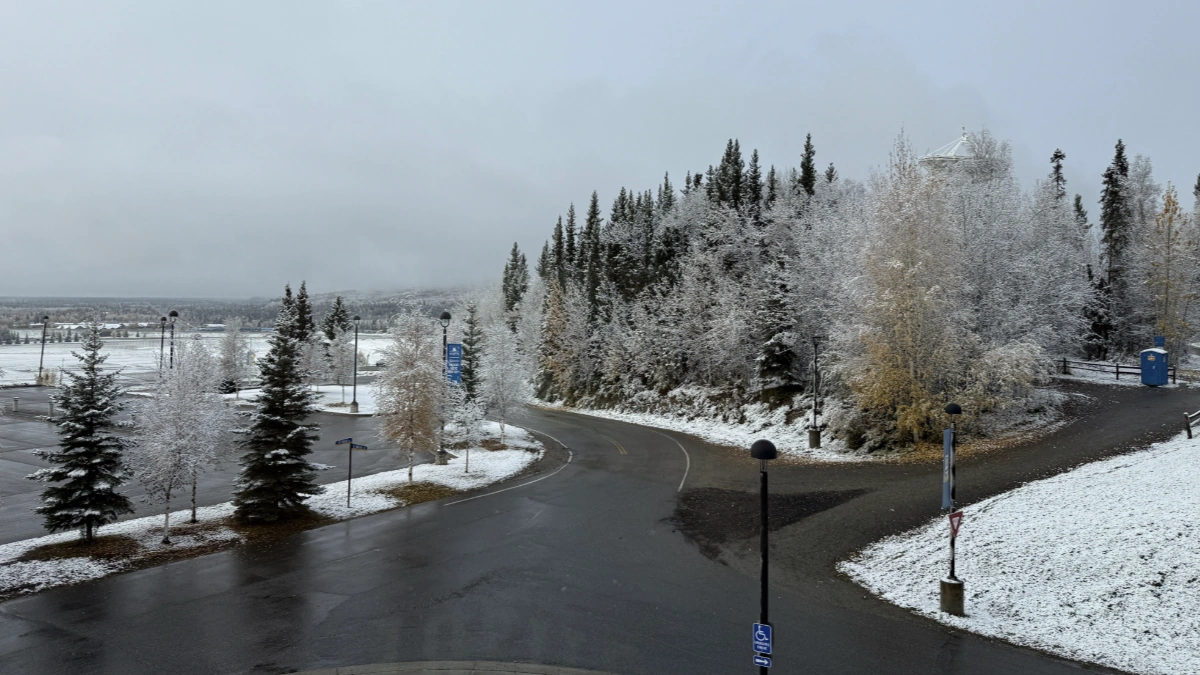
As winter approaches, Alaska faces challenging weather conditions that warrant vigilance. The winter weather advisory serves as a critical alert for residents and travelers alike, signaling the potential for hazardous weather, such as heavy snowfall, freezing rain, and strong winds. Understanding the implications of these advisories is crucial for safety, preparation, and travel planning in this expansive and remote state.
Details of the Current Advisory
Currently, the National Weather Service has issued a winter weather advisory for several regions across Alaska, including Anchorage and Fairbanks. These advisories are issued when forecasters expect significant winter weather conditions that can cause travel impacts but do not meet criteria for a winter storm warning. As of this week, accumulations of 3-6 inches of snow are forecasted in some areas, combined with temperatures dipping below freezing during nighttime hours, increasing the risk of icy conditions.
Local authorities recommend residents prepare by ensuring their vehicles are winterized, stocking up on supplies, and planning travel routes that account for changing weather conditions. With limited visibility and slippery roads expected, Alaskans are advised to exercise caution if travel is necessary, especially in rural and mountainous areas.
Impacts and Precautions
The effects of winter weather advisories can vary widely based on location and the severity of the weather. In urban areas like Anchorage, traffic disruptions and school closures are common during significant snowfall. In contrast, outlying communities may face challenges related to power outages and accessibility, particularly if snow accumulates quickly or if there are high winds accompanying the storm.
In light of these conditions, state and municipal emergency management agencies have enacted plans to assist in snow removal and traffic control. Residents are encouraged to remain informed through local news outlets and the National Weather Service for real-time updates on weather conditions and any preparatory actions recommended by authorities.
Conclusion
Winter weather advisories are an important tool for public safety during Alaska’s long and harsh winters. Understanding these advisories can help individuals and families prepare effectively, reducing the risks associated with winter travel and weather-related dangers. As conditions can change rapidly, staying informed is essential for navigating the Alaskan winter safely. Local and state authorities will continue to monitor the situation closely, providing updates and guidelines as necessary to ensure community safety during this challenging season.