Introduction
Air quality is a crucial aspect of environmental health, directly affecting our well-being and the ecosystem. Unfortunately, many urban areas experience deteriorating air quality due to various factors. Understanding why the air quality is bad today is essential for public awareness and health precaution.
Main Reasons for Poor Air Quality
Today, air quality levels are being heavily impacted by a combination of natural and anthropogenic (human-made) factors. As per the latest reports from the Environmental Protection Agency (EPA), several regions across the United States have reported elevated levels of particulate matter (PM2.5) and ozone.
One significant contributor is increased emissions from vehicles and industrial activities. As cities grow, more cars take to the roads, releasing nitrogen oxides and volatile organic compounds that contribute to smog formation. Additionally, current weather patterns can worsen air quality. For instance, stagnant weather conditions trap pollutants close to the ground, making it difficult for them to disperse.
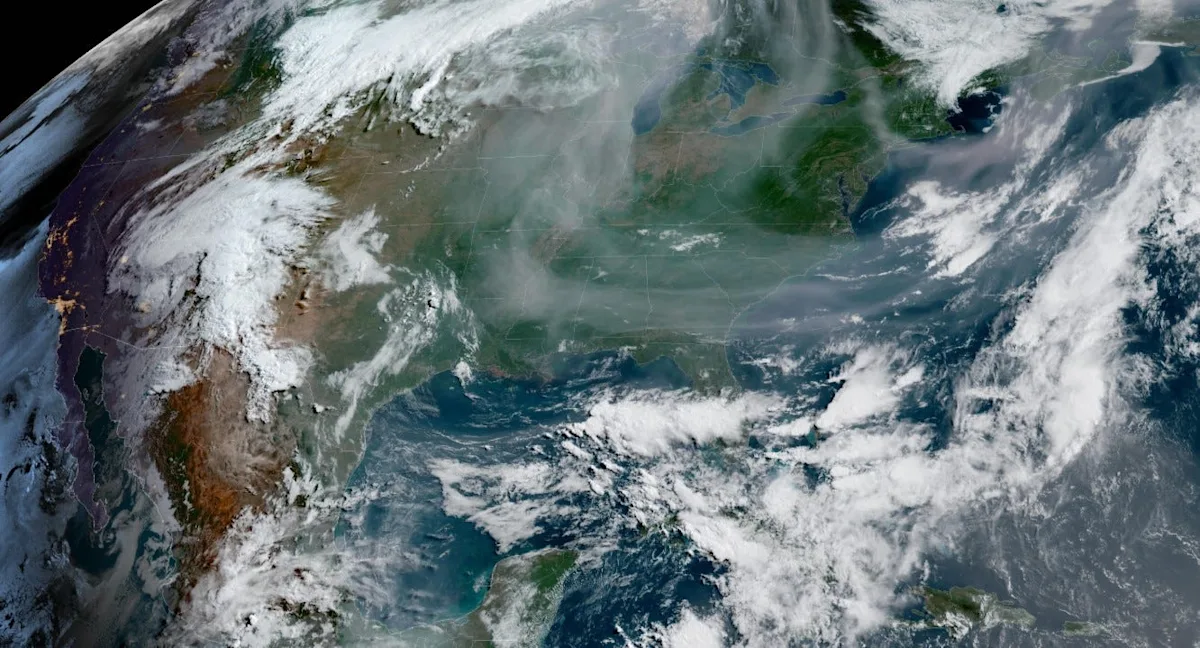
Moreover, ongoing wildfires in the western United States add another layer of complexity. Smoke from these fires can travel long distances, significantly degrading air quality even in areas far from the flames. According to the National Interagency Fire Center, there has been an uptick in wildfires due to hotter weather and prolonged dry spells, ultimately impacting thousands of residents.
Health Implications
Poor air quality poses several health risks, ranging from respiratory issues to cardiovascular problems. The CDC reports that exposure to high levels of air pollution can exacerbate pre-existing conditions such as asthma and increase the risk of heart attacks. Vulnerable populations including children, the elderly, and those with chronic health issues should take extra precautions when air quality is deemed unhealthy.
Conclusion
Understanding the reasons behind today’s poor air quality is vital for taking preventive actions to protect health and the environment. Authorities are persisting with community alerts and public advisories, emphasizing the importance of avoiding outdoor activities under hazardous conditions. As climate change and urbanization continue to evolve, it remains crucial for cities to develop sustainable policies and practices to improve air quality moving forward. Awareness and action can help mitigate the impact of poor air quality on public health and foster a healthier future.