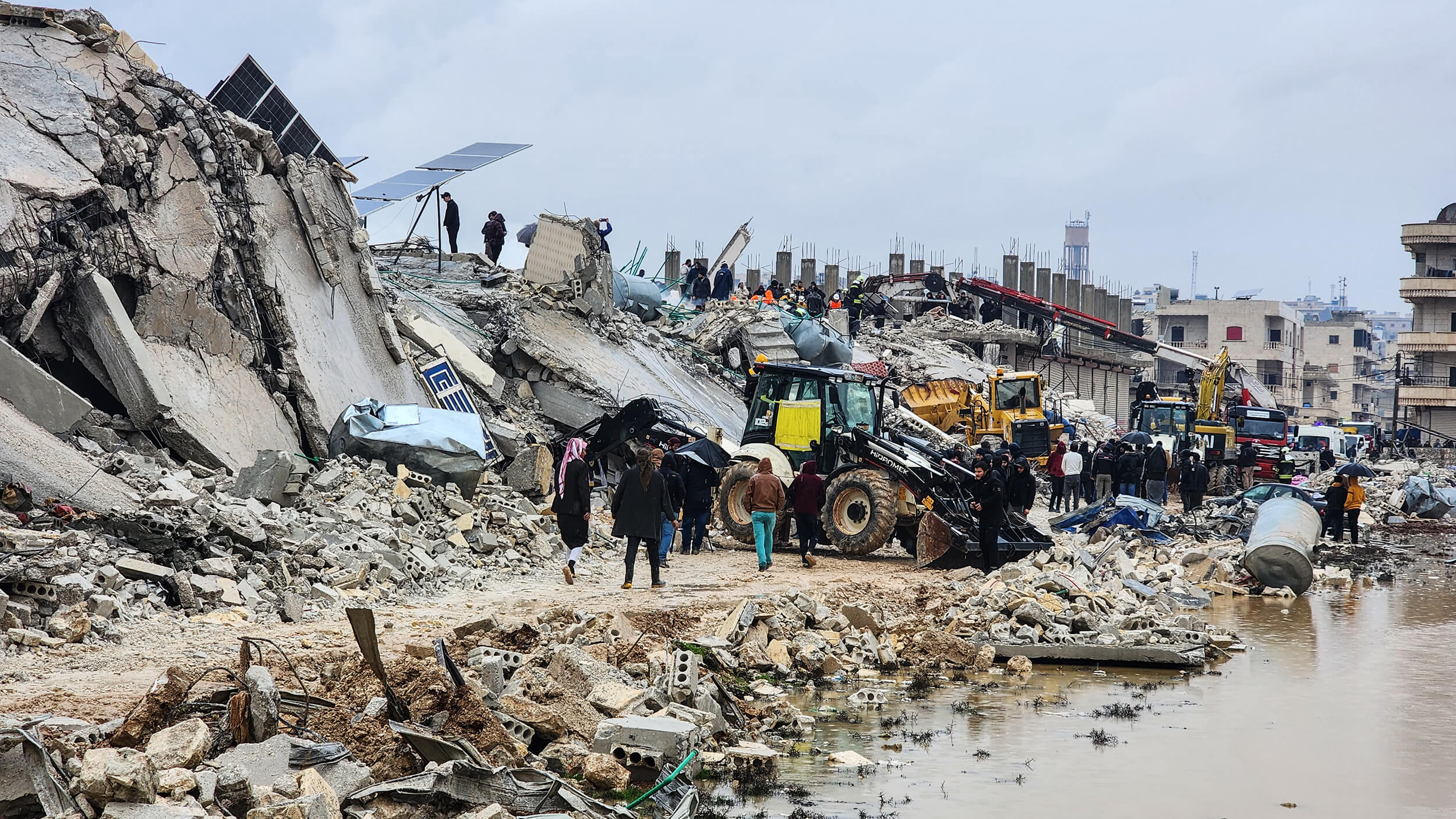
Introduction to USGS Earthquakes
The United States Geological Survey (USGS) plays a crucial role in monitoring seismic activity across the United States. Understanding earthquakes is vital for public safety and preparedness as these natural disasters can lead to significant loss of life and property. As technology advances and seismic research becomes more sophisticated, the importance of USGS’s role in earthquake monitoring continues to grow.
Recent Earthquake Activity
In recent weeks, the USGS has reported several notable seismic events. For instance, on October 15, 2023, a 6.3 magnitude earthquake struck near the coast of Alaska. Thankfully, due to the remote location and the stringent building codes in Alaska, damage was minimal, and there were no immediate reports of injuries. This event highlighted the ongoing seismic activity in an area known for its geological instability.
Furthermore, a series of smaller quakes were recorded in California’s Bay Area, reminding residents of the ever-present risk of larger seismic events. The USGS continues to provide real-time data to help residents in these areas prepare accordingly.
The Role of USGS in Earthquake Research
The USGS leverages advanced technologies such as the ShakeAlert system, which provides early warnings of seismic activity to millions of people in California. This system, which uses a network of ground sensors, can send alerts before the shaking reaches populated areas, giving individuals seconds to take cover and prepare for the impact.
Additionally, the USGS constantly publishes educational materials and statistics regarding earthquakes, helping to inform the public about preparedness and response measures. Their research supports local governments and emergency services in designing better infrastructure and emergency response plans.
Conclusion: Significance for Communities
As the frequency and intensity of earthquakes can vary, understanding the implications of these natural events is essential. The work of the USGS in collecting data, providing early warnings, and dedicating efforts to earthquake research is significant for minimizing the risks associated with these disasters.
Looking ahead, investing in earthquake preparedness and infrastructure will be crucial in safeguarding communities. As climate change and urbanization continue to alter the landscape, proactive measures can help mitigate the impact of future seismic events.