Introduction
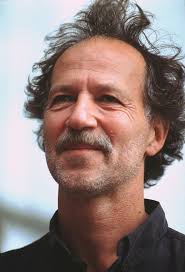
Werner Herzog, a name synonymous with innovative filmmaking and artistic exploration, has made an indelible mark on the world of cinema. With a career spanning over five decades, Herzog has directed, produced, and written numerous films that challenge societal norms and delve deep into the human experience. His unique blend of documentary and narrative cinema offers audiences an unparalleled perspective that makes his works relevant both historically and contemporaneously.
Career Highlights
Born on September 5, 1942, in Munich, Germany, Herzog’s interest in film began at an early age. He became known for his documentary and narrative films blending real-life elements with surreal storytelling. Iconic films like “Aguirre, the Wrath of God” (1972), “Fitzcarraldo” (1982), and the documentary series “Grizzly Man” (2005) exemplify his distinctive style and thematic focus on man’s struggle against nature, existential crises, and the bizarre aspects of reality.
In 2023, Herzog’s contribution to cinema remains influential as filmmakers draw inspiration from his penchant for exploring the extremes of human existence. Notably, Herzog’s recent work, “The Fire within: A Requiem for Katia and Maurice Krafft,” showcases his continued passion for storytelling through the lens of real-life events, emphasizing environmental themes and the human fascination with nature.
Influence and Philosophy
Herzog’s filmmaking philosophy is best encapsulated in his quote, “I believe the imagination is stronger than facts.” This ideology underlines much of his work and his ability to transform factual narratives into compelling cinematic experiences. His influence extends beyond his films; he has inspired countless filmmakers, actors, and enthusiasts who admire his daring approach to storytelling and his ability to provoke thoughtful discourse around complex themes. Herzog has garnered multiple awards throughout his career, including the Best Director award at the Cannes Film Festival, showcasing his skill and recognition within the industry.
Conclusion
Werner Herzog’s legacy is one of artistic integrity and fearlessness in the face of creative challenges. As he continues to produce films and documentaries that explore profound themes, his relevance in today’s cinematic landscape is undeniable. For aspiring filmmakers and cinephiles alike, Herzog represents not just a body of work, but a philosophy that encourages pushing boundaries and exploring the depths of human experience. As we look to the future of cinema, the lessons from Herzog’s groundbreaking approach will undoubtedly influence the next generation of storytellers.