Introduction
As winter approaches, the threat of severe weather increases across many regions in the United States. Winter weather alerts play a crucial role in keeping the public informed about hazardous conditions such as snow, ice, and extremely low temperatures. Understanding these alerts can mean the difference between safety and danger for individuals and communities alike.
Types of Winter Weather Alerts
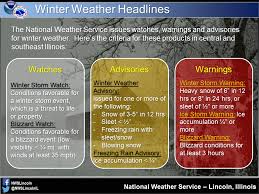
The National Weather Service (NWS) issues a variety of winter weather alerts categorized based on the severity and impact of the predicted conditions:
- Winter Storm Warning: Indicates significant amounts of snow and/or ice accumulation are expected, posing a threat to life or property.
- Winter Weather Advisory: Issued when winter weather conditions are expected to cause inconvenience or hazardous situations.
- Blizzard Warning: A significant and prolonged period of severe winter weather characterized by strong winds and low visibility due to blowing snow.
- Icing Alert: Specifically focuses on the danger posed by accumulation of ice which can lead to slippery roads and hazardous situations.
Current Winter Weather Alerts
As of October 2023, several areas across the Northern and Midwest states, including Minnesota and Wisconsin, are under a Winter Storm Warning due to an incoming cold front bringing several inches of snow and freezing rain. Meteorologists predict that these weather patterns could impact travel, cause power outages, and lead to dangerous road conditions. Residents in these areas are advised to stock up on supplies and stay tuned to local weather forecasts for updates.
How to Prepare for Winter Weather Alerts
Preparation is key when it comes to handling winter weather alerts. Here are some recommended steps for individuals and families:
- Stay Informed: Keep up with local weather updates through reliable sources like the NWS.
- Travel Safety: If travel is necessary, ensure your vehicle is prepared for winter conditions, including snow tires and emergency kits.
- Home Preparedness: Stock your home with essentials such as food, water, medications, and batteries for flashlights.
Conclusion
Winter weather alerts are a vital resource in keeping the public safe during the cold months. As the severity and frequency of winter storms continue to increase, staying informed about the various types of alerts ensures that individuals are prepared to take the necessary actions to protect themselves and their families. By taking proactive measures and heeding warnings, communities can mitigate the risks associated with winter weather and maintain safety throughout the season.