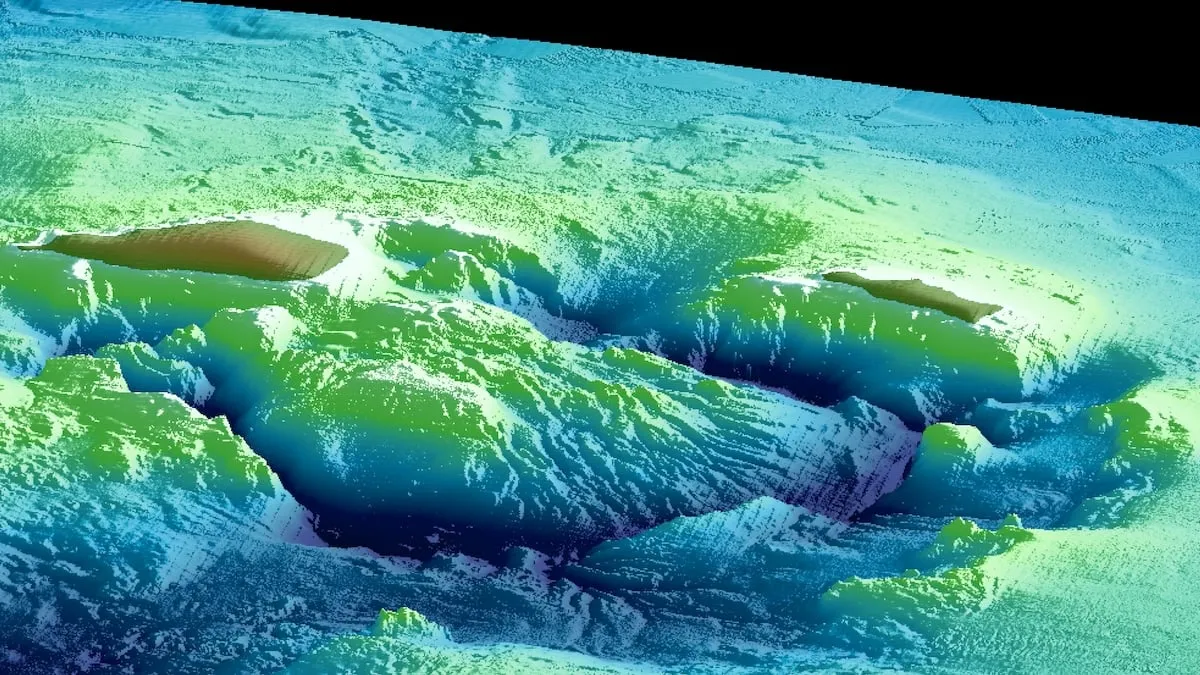
The Kikai Caldera off Japan’s Kyushu island is a focal point of geological study, having experienced the largest known eruption of the Holocene approximately 7,300 years ago. This catastrophic event, known as the Akahoya eruption, expelled around 160 cubic kilometers (38 cubic miles) of material, significantly impacting the Jōmon people who inhabited the region at that time.
Currently, the Kikai Caldera is slowly refilling with magma, a development that scientists believe may provide critical insights into predicting future eruptions. Seama Nobukazu, a prominent researcher in the field, emphasized the importance of understanding how large quantities of magma accumulate to comprehend the mechanics behind giant caldera eruptions.
Meanwhile, in New Zealand, Whakaari/White Island remains a point of concern following its deadly eruption on December 9, 2019, which resulted in 22 fatalities and numerous injuries. This volcano has been active since 1975 and is part of the Pacific Ring of Fire, known for its seismic activity.
In Hawaii, Kilauea has also been making headlines with its recent eruption on April 9, 2026. This event produced significant lava fountains and prompted ashfall warnings. Kilauea has a history of erupting dozens of times since 1952, with eruptions lasting from two weeks to over a year, and it recently generated 3.6 million cubic yards of lava.
As the situation develops, experts are closely monitoring these volcanoes for any signs of increased activity. Observers note that large foam-like tephra, potentially reaching football size, may fall near the summit and several miles downwind during eruptions.
Seama Nobukazu pointed out that the magma re-injection model observed at Kikai Caldera aligns with similar geological features beneath other significant calderas, such as Yellowstone and Toba. This connection could enhance our understanding of volcanic behavior globally.
Authorities are urging local populations to stay informed and prepared for potential volcanic activity as monitoring efforts intensify. The geological community is on high alert, analyzing data to forecast future eruptions and mitigate risks associated with these powerful natural phenomena.