Introduction to the Measles Outbreak
The recent outbreak of measles in Wake County, North Carolina, has raised significant public health concerns, emphasizing the importance of vaccinations. Measles, a highly contagious virus, can lead to severe complications, especially in unvaccinated individuals. The outbreak has sparked conversations about vaccine hesitancy and the need for continued public health education.
Details of the Outbreak
According to the North Carolina Department of Health and Human Services, the first case of measles was confirmed in early October 2023. Since then, health officials have identified several additional cases, prompting an urgent response to contain the spread. As of the latest reports, at least 15 confirmed cases have been linked to an unvaccinated individual who had traveled abroad, thereby introducing the virus into the community.
Public Health Response
In response to the outbreak, Wake County health officials have initiated a comprehensive vaccination campaign, urging residents to check their vaccination status and ensure they are up-to-date on their MMR (measles, mumps, rubella) vaccines. Clinics offering vaccinations for free or at a reduced cost have been set up throughout the county, and health educators are disseminating information on the symptoms and prevention of measles.
The Importance of Vaccinations
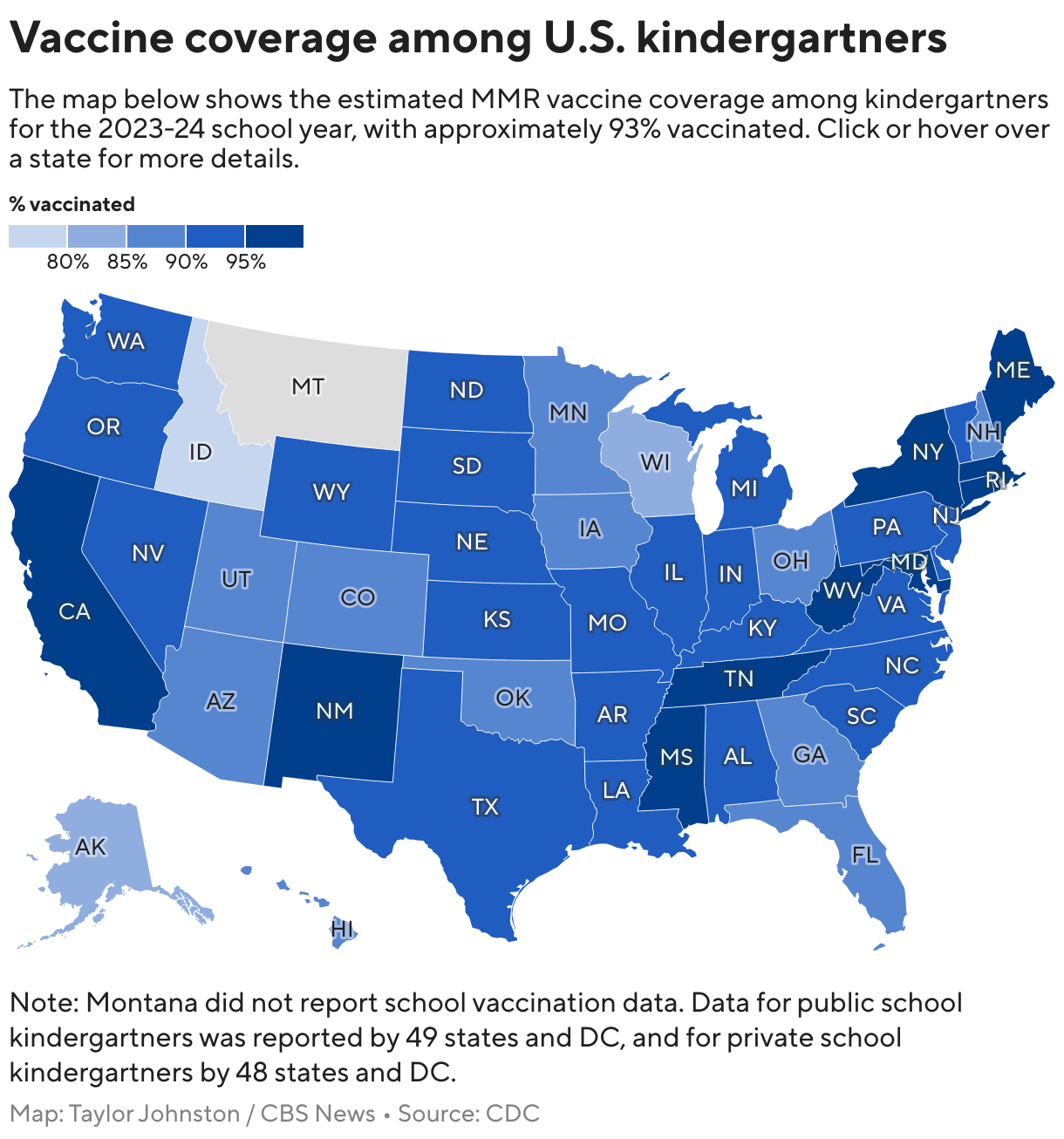
The resurgence of measles in Wake County highlights the ongoing challenge of vaccine hesitancy in certain communities. Public health experts assert that widespread vaccination is the most effective way to prevent outbreaks. While the MMR vaccine is about 93% effective after one dose and 97% effective after two doses, communities with lower vaccination rates risk outbreaks due to the virus’s highly contagious nature.
Conclusion and Future Implications
This outbreak serves as a critical reminder of the importance of vaccination in protecting public health. With ongoing vaccination efforts in Wake County, health officials hope to contain this outbreak swiftly and prevent future incidents. As more individuals become aware of the dangers of measles and the efficacy of vaccines, it is hoped that community immunity can be restored.
As we move forward, continued public health education and engagement with hesitant communities will play a vital role in ensuring that vaccination rates improve and outbreaks like the one currently in Wake County do not occur again.