Introduction
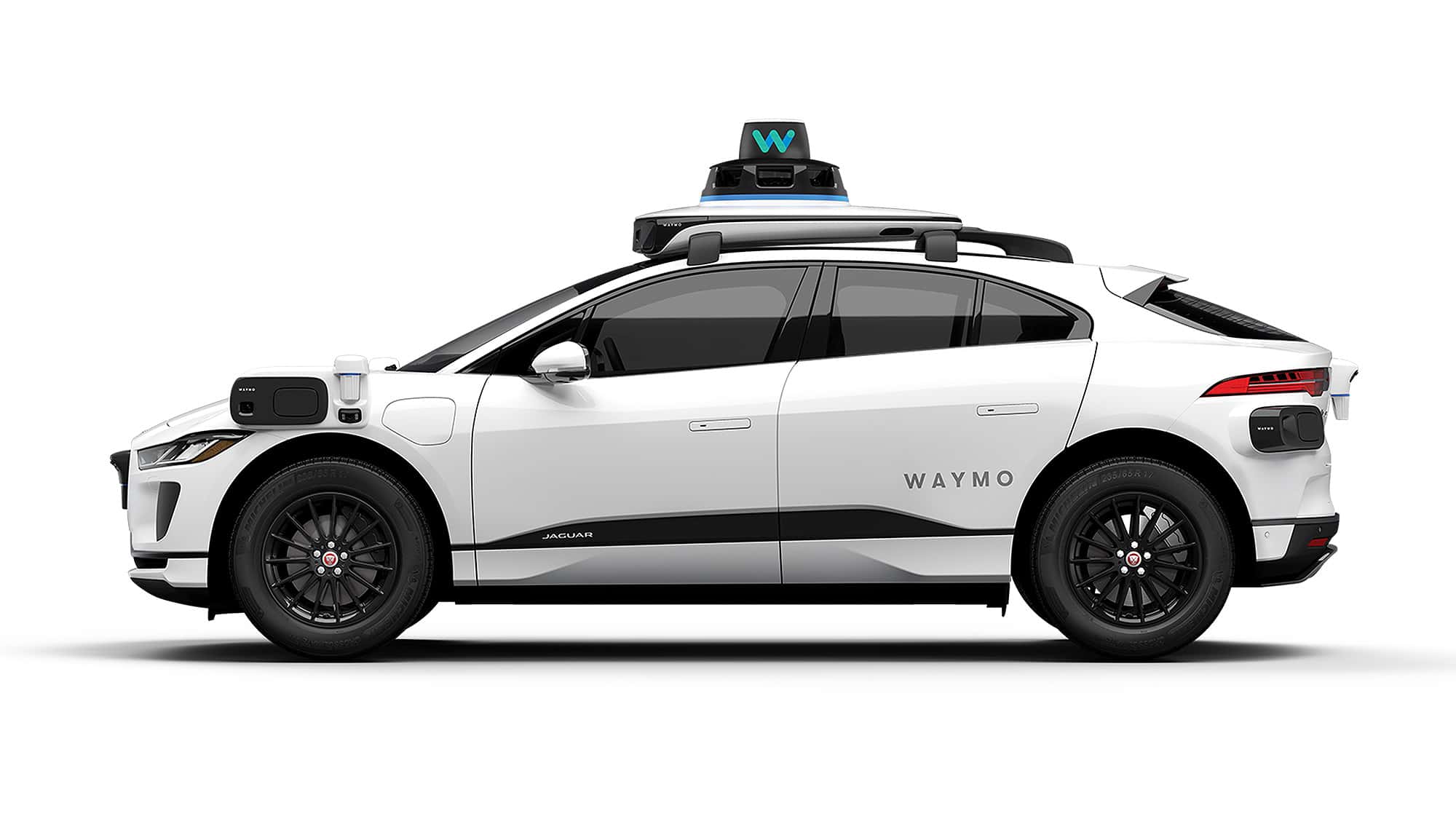
As technology advances, autonomous vehicles are becoming a significant aspect of modern transport, and Waymo is leading this charge. A subsidiary of Alphabet Inc., Waymo has developed innovative self-driving technology that promises to reshape how we think about travel and logistics. The importance of Waymo’s work lies not only in enhancing convenience but also in its potential to improve road safety, reduce traffic congestion, and lower transportation costs. As we navigate a world increasingly focused on sustainable transport solutions, Waymo is one of the crucial players setting the stage for the future.
Recent Developments at Waymo
Waymo has seen substantial advancements in its autonomous technology in recent months. In late September 2023, the company announced the expansion of its fully autonomous ride-hailing service in San Francisco to include more neighborhoods, allowing users greater access to its services. This comes after successful pilot programs and regulatory approvals that have paved the way for wider public usage. Furthermore, Waymo has recently partnered with several companies to explore the applications of its technology, including logistics and delivery services, which could transform the supply chain industry.
The company has also been actively testing its vehicles in various conditions to ensure their reliability and safety. Waymo’s fleet includes a range of vehicles adapted to handle everything from urban traffic to highway driving. The recent launch of the Waymo One app connects passengers with autonomous rides seamlessly, displaying promising user satisfaction figures in terms of safety and reliability.
Implications for the Future
The growth of Waymo signals an exciting yet complex future for transportation. As their self-driving technology matures, experts predict we will see a significant decrease in road accidents, as most accidents are attributed to human error. Additionally, the spread of autonomous vehicles could lead to a reduction in the necessity for personal car ownership, promoting a seamless and eco-friendly transit experience where shared autonomous vehicles become a norm.
Moreover, Waymo’s rigorous focus on safety, autonomy, and interaction with city infrastructure indicates the potential for a broader adaptation of smart transport systems across major metropolitan areas. As other companies in the autonomous driving space pursue similar advancements, competition may further enhance the speed and efficiency of this technology.
Conclusion
Waymo stands at the forefront of the autonomous driving revolution, transforming how we perceive mobility. While challenges, including regulatory hurdles and public acceptance, remain, Waymo’s leadership and continuous innovation are paving the way for a future where self-driving cars could become integral to everyday life. As Waymo expands its services and capabilities, it will be crucial for the public and policymakers to engage thoughtfully with the implications of such advancements to ensure a future that is not only driven by technology but also by safety, equity, and sustainability.