Introduction
As we look ahead to 2025, Tesla continues to lead the electric vehicle (EV) revolution with innovations and strategies that could redefine transportation. The company’s commitment to sustainability and technological advancement makes its progress crucial for consumers, investors, and the automotive industry as a whole. With increasing demand for electric vehicles and ambitious growth plans, Tesla’s direction in 2025 is of high relevance to all stakeholders involved.
Upcoming Models and Innovations
Tesla’s roadmap for 2025 includes the anticipated launch of several new models, notably the Cybertruck and the much-touted Tesla Semi. The Cybertruck was initially unveiled in 2019 and is expected to enter full production soon, aiming to carve a niche in the electric pickup market. Additionally, the Tesla Semi is set to disrupt the freight industry by offering zero-emission alternatives that promise significant cost savings in fuel and maintenance.
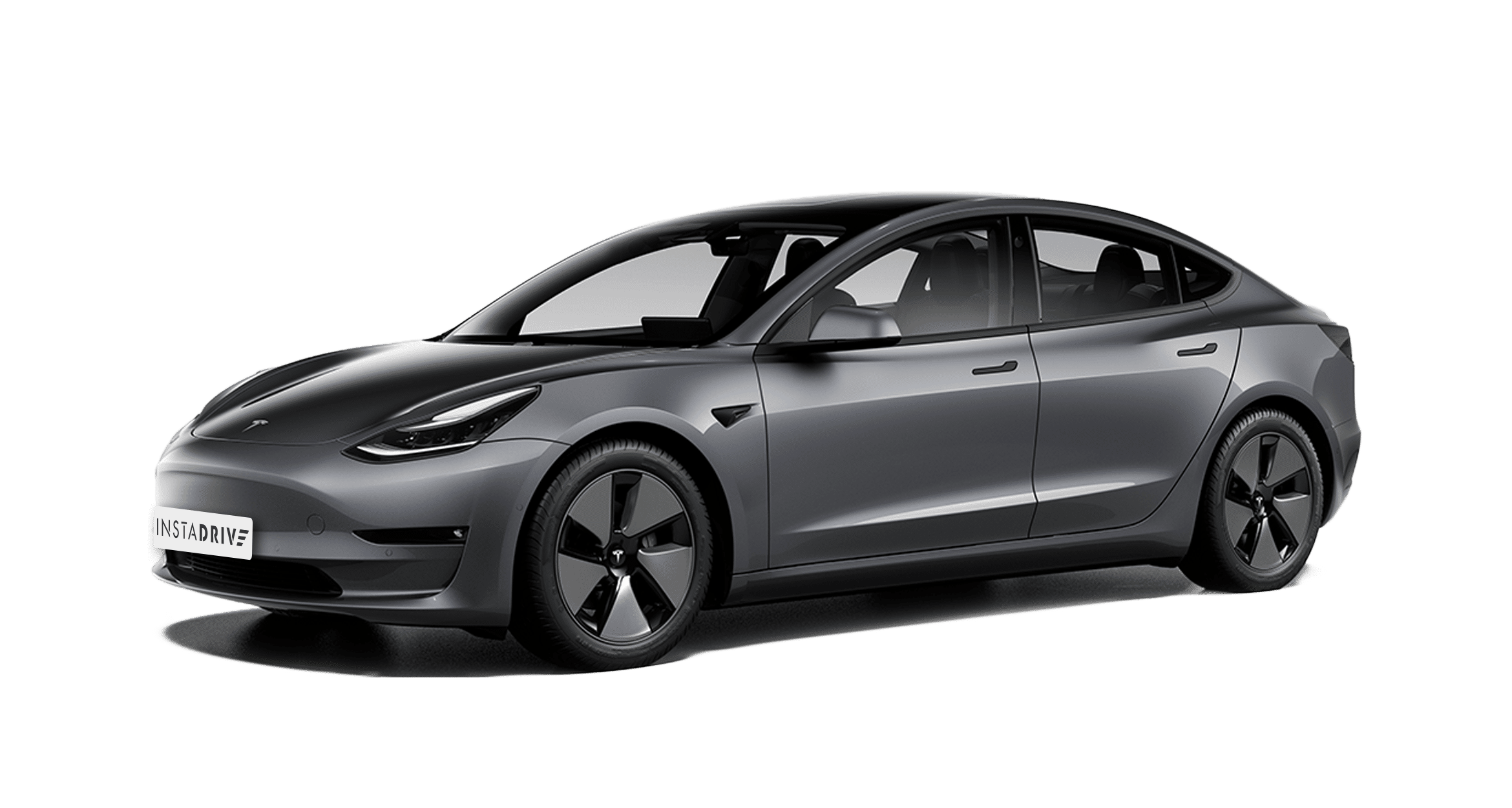
Furthermore, Tesla is expected to enhance its existing models, including the Model S, Model 3, and Model Y, with improved ranges, battery technology, and software enhancements. Innovations in Full Self-Driving (FSD) technology are also a significant focus, with Tesla working diligently to achieve higher levels of autonomy. The company’s ambitious goal is to have fully autonomous vehicles on the road by 2025, subject to regulatory approvals.
Production Goals and Expansion
In 2025, Tesla aims to significantly ramp up production capacity to meet soaring demand. With Gigafactories already operational in Texas and Berlin, the company plans to expand its global footprint further. Reports suggest that Tesla may establish additional factories in strategic locations, which would not only increase production volumes but also reduce shipping and logistical costs.
Moreover, Tesla’s energy division is expected to gain momentum with advancements in battery technology, including plans for next-generation 4680 battery cells designed to lower costs and increase range. These advancements are crucial for Tesla’s goal of producing 20 million vehicles annually by 2030.
Conclusion
The landscape for Tesla in 2025 promises to be transformative, with innovative models, advanced technologies, and ambitious production goals at the forefront. As the company continues to push the boundaries of electric vehicle technology and sustainability, consumers can expect a range of new options and features that enhance the driving experience. The implications for the automotive industry, environmental sustainability, and the economy are significant as Tesla solidifies its position as a leader in the global move towards electric transportation. Keeping an eye on Tesla’s developments will be essential for stakeholders and consumers alike in the coming years.