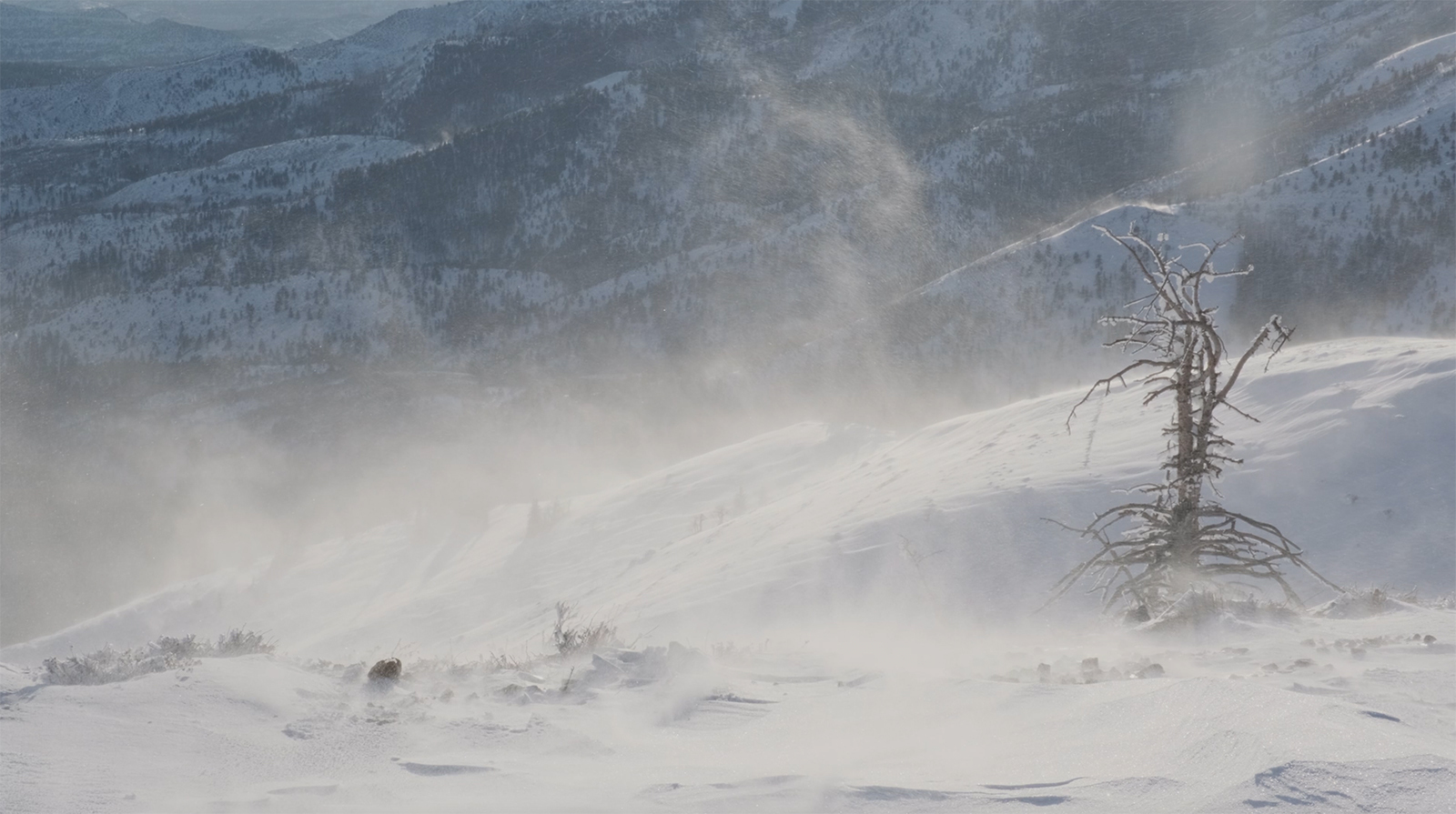
Introduction to Snow Squalls
Snow squalls are intense weather phenomena characterized by sudden, short bursts of heavy snowfall, often accompanied by strong gusty winds. With winter approaching, understanding these sporadic storm systems is crucial for safety, especially for travelers and outdoor enthusiasts. Snow squalls can lead to rapidly reduced visibility and dangerous road conditions, making knowledge and preparedness essential.
Current Snow Squall Events
Recently, regions across the northeastern United States are experiencing a series of snow squalls that have caused significant disruptions. According to the National Weather Service (NWS), a particularly severe squall swept through parts of Pennsylvania, New York, and New Jersey, leading to whiteout conditions on major highways. Reports indicate that visibility dropped to less than a quarter mile in some areas, resulting in multiple vehicle accidents and road closures.
This cluster of snow squalls is part of a larger winter storm system that is sweeping across the Midwest as well, impacting states from Illinois to Indiana. Meteorologists state that the formation of these snow squalls can be attributed to the clash of warm, moist air with cold air masses, creating unstable atmospheric conditions conducive to these sudden, intense winter storms.
How to Stay Safe During Snow Squalls
Travelers are advised to monitor weather conditions closely and be prepared for sudden changes. If a snow squall warning is issued, it is prudent to stay off the roads until conditions improve. It’s also essential to keep an emergency kit in your vehicle, which should include blankets, food, water, and first aid supplies in case of becoming stranded. Local officials encourage residents to stay informed through official weather channels and to heed advice from local authorities during severe weather alerts.
Conclusion and Future Implications
As winter progresses, weather experts anticipate that snow squalls will continue to be a threat in various regions across the U.S. With climate change potentially affecting the frequency and intensity of winter storms, staying informed and prepared will be more important than ever. Residents should familiarize themselves with local weather resources to ensure safety during these unpredictable and hazardous weather events.