Understanding Snow Squalls
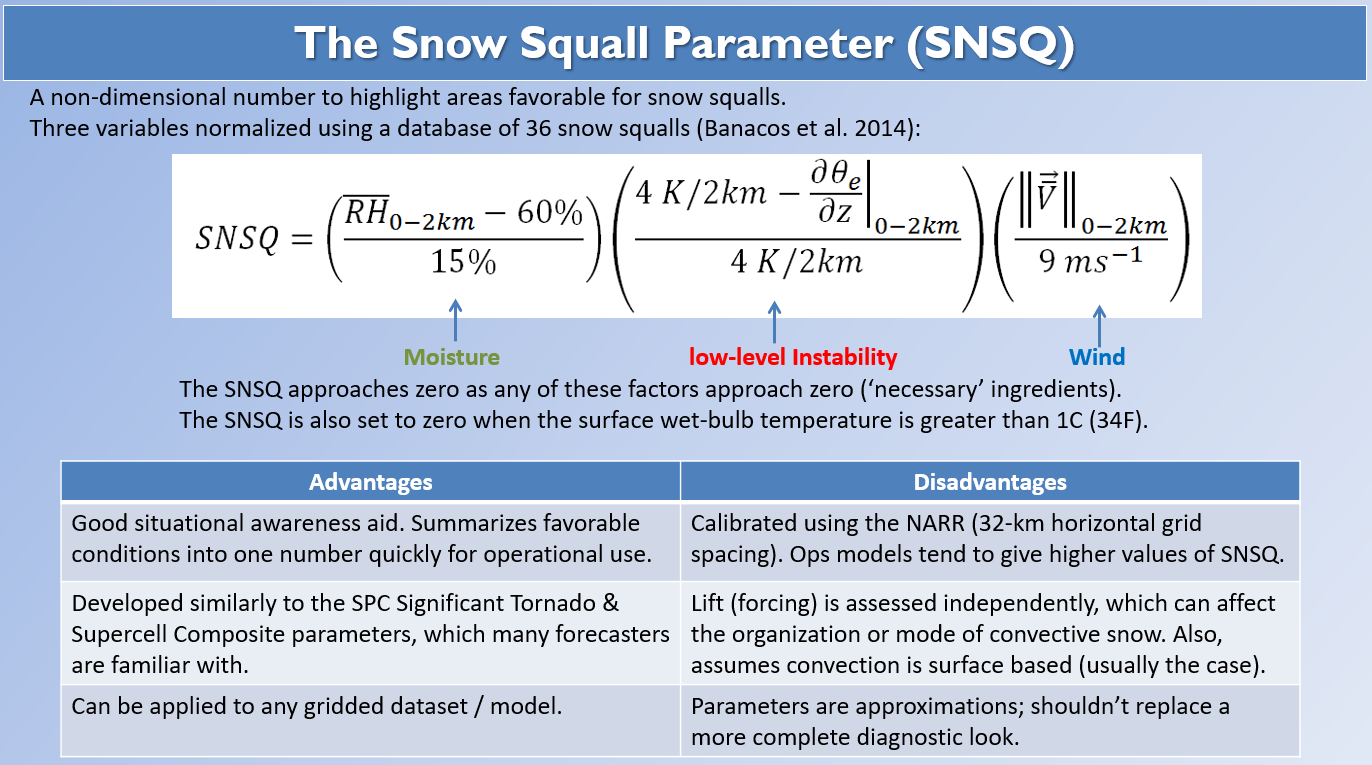
A snow squall is a sudden, intense burst of snowfall that is often accompanied by strong winds. These brief but potent weather phenomena can create hazardous conditions on the roads and reduce visibility, making them a significant concern for motorists and outdoor enthusiasts during winter months. With changing climate patterns, understanding snow squalls is increasingly important for public safety and preparedness.
Characteristics of Snow Squalls
Typically, a snow squall lasts for a short duration, often less than an hour, yet can dump several inches of snow in a short time. The National Weather Service (NWS) defines a snow squall as a brief but intense snowfall that results in visibility of less than a quarter mile. Winds can often gust up to 30 mph or more, further complicating visibility and road conditions.
Recent Events and Forecasts
In February 2023, several regions on the East Coast experienced severe snow squall warnings due to a sudden drop in temperatures and shifting weather patterns. The impact was felt particularly hard in states like Pennsylvania and New Jersey, where travel alerts were issued as snow squall conditions reduced visibility and made highways treacherous. Areas that had reported light flurries quickly found themselves enveloped in a whiteout condition, leading to numerous accidents and delays.
Safety Tips for Snow Squalls
Given their unpredictable nature, it’s essential for individuals and communities to prepare for snow squalls. Here are some crucial safety tips:
- Stay informed about weather forecasts and alerts.
- If possible, avoid driving during a snow squall. If travel is necessary, make sure your vehicle is winter-ready.
- If caught in a squall while driving, reduce speed, increase following distance, and keep headlights on.
- Have an emergency kit in your vehicle, including blankets, food, and water.
Conclusion
Snow squalls pose unique challenges for individuals and communities, particularly in areas prone to severe winter weather. As climate conditions shift, the frequency and intensity of these incidents may change, making awareness and preparedness more critical than ever. By understanding what a snow squall is and how to respond, individuals can better protect themselves and their families during winter storms.