Introduction
Woody Allen is a name synonymous with American cinema, renowned for his prolific output as a filmmaker, actor, and writer. His career spans over six decades and has significantly influenced film and comedy. However, Allen’s legacy is complicated by public controversies and allegations, making his work a topic of much debate and analysis. Understanding Allen’s contributions, as well as the controversies surrounding him, is crucial for both cinephiles and casual moviegoers who seek to interpret his influence on contemporary culture.
The Career of Woody Allen
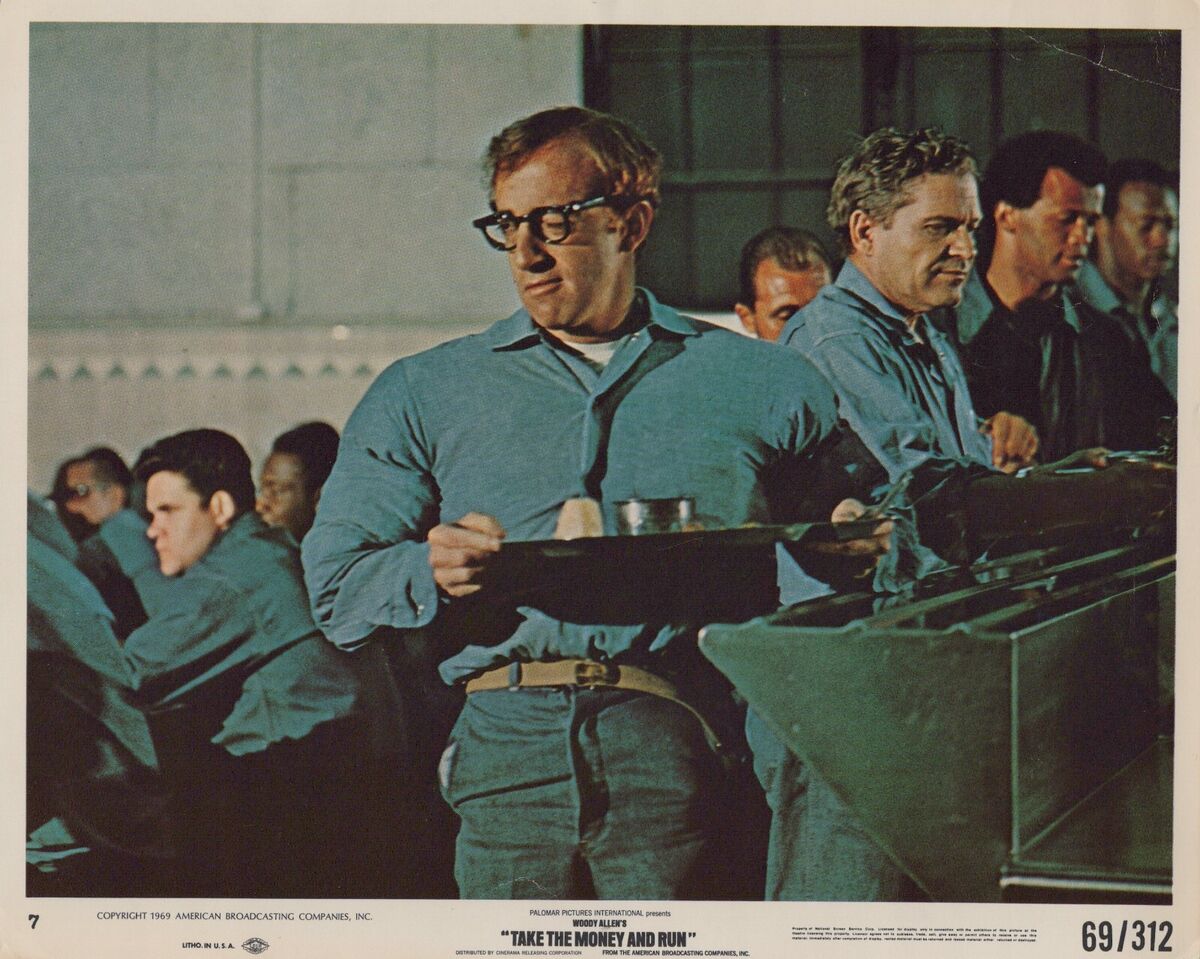
Woody Allen, born Allan Stewart Königsberg on December 1, 1935, in Brooklyn, New York, began his career as a comedy writer in the 1950s. He later transitioned to film, making his directorial debut with “Take the Money and Run” in 1969. Throughout the 1970s and 80s, Allen became known for a distinctive blend of neurotic characters and intellectual humor, with films like “Annie Hall” (1977) and “Manhattan” (1979) solidifying his status as a cinematic auteur. His works often explore themes of love, existential angst, and the human condition, combining wit and pathos in ways that resonate deeply with audiences.
Recent Developments and Controversies
In recent years, Allen’s reputation has been marred by allegations of sexual misconduct, particularly concerning his adopted daughter, Dylan Farrow. The allegations have sparked widespread debate, leading to a reevaluation of his body of work and its place in modern cinema. The release of his memoir “Apropos of Nothing” in 2020 and several documentaries discussing his life have reignited discussions about his artistic merit juxtaposed against his personal life. Allen maintains his innocence and has continued to work in film, though he faces increasing scrutiny and boycott calls from various sectors of the film industry.
Conclusion
Woody Allen’s artistic legacy is undeniably impactful, having shaped the landscape of modern comedy and drama. However, the ongoing controversies surrounding him complicate how we may appreciate his work. As audiences and critics grapple with the dichotomy of art versus artist, Allen’s films invite both admiration and critique. Moving forward, Allen’s legacy will likely remain a polarizing subject, necessitating an honest dialogue about the intersections of creativity, ethics, and personal conduct in the arts. Understanding this complexity is vital for viewers as they engage with the body of work that has defined a significant era in film history.