Introduction
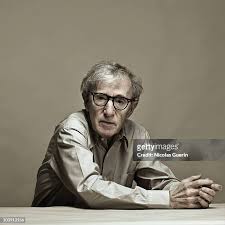
Woody Allen, a polarizing yet profoundly influential figure in American cinema, continues to generate discussion with his recent film releases and long-standing filmography. With a career spanning over six decades, Allen’s contributions to film, characterized by his unique blend of comedy and drama, have shaped the landscape of modern cinema. In light of recent news surrounding his latest work, the relevance of his style and themes prompts a renewed examination of his artistic legacy.
New Film Release
Allen’s latest film, titled “Rifkin’s Festival,” premiered at the San Sebastián International Film Festival in September 2020, after being initially delayed due to the COVID-19 pandemic. This film, which is a light-hearted tribute to the complexities of love and the film festival experience, continues his tradition of deep and witty storytelling. Critics have noted the film reflects a return to Allen’s romantic comedy roots while infusing modern commentary on the film industry.
Controversies and Criticism
While Allen’s work remains celebrated by many, it is impossible to discuss his career without addressing the controversies that have surrounded him. Allegations of misconduct and legal battles have significantly impacted public perception and the distribution of his films. Several actors have publicly distanced themselves from him, and studios have faced pressure regarding collaborations. Nonetheless, Allen has maintained a loyal following, with many supporters arguing that his creative contributions should be separated from his personal life.
Impact on Cinema
Despite the controversies, Woody Allen’s impact on the film industry is undeniable. His storytelling techniques, quirky character development, and a blend of humor and existential angst paved the way for a generation of filmmakers. Films like “Annie Hall,” “Manhattan,” and “Hannah and Her Sisters” have influenced countless directors and writers in their exploration of urban life, relationships, and human psychology.
Conclusion
As Woody Allen continues to produce films, the dialogue surrounding him remains complex. His ability to navigate the tides of public opinion while remaining committed to his vision as an artist showcases the resilience of his work. As audiences engage with his newest projects, the conversation about his contributions to cinema reflects a broader discussion about the intersection of art and personal controversies. Moving forward, it will be interesting to see how both his legacy and his work evolve within the modern context of film. Whether loved or loathed, Woody Allen’s influence on the art form is significant and enduring.