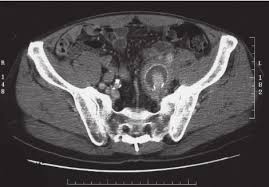
Introduction to Aneurysms
An aneurysm is a severe medical condition characterized by an abnormal dilation of blood vessels, which can potentially lead to life-threatening complications. Aneurysms can occur in various parts of the body but are most commonly found in the brain (cerebral aneurysm) and the aorta (aortic aneurysm). Understanding aneurysms is crucial because they may cause devastating health implications if not detected early. In recent years, awareness and research regarding aneurysms have increased, revealing vital information about their causes, symptoms, and treatments.
Types and Causes of Aneurysms
Aneurysms can be categorized based on their location and shape. The two primary types are:
- Cerebral Aneurysms: These occur in the brain and can cause hemorrhagic strokes if they rupture.
- Aortic Aneurysms: These form in the aorta and can be further divided into thoracic aortic aneurysms and abdominal aortic aneurysms.
The main causes of aneurysms involve a combination of genetic and environmental factors. Risk factors include hypertension, high cholesterol, atherosclerosis, smoking, and family history of aneurysms. Some congenital conditions, like Ehlers-Danlos syndrome, can also predispose individuals to developing aneurysms.
Signs and Symptoms
Aneurysms may not present symptoms until they grow large or rupture. However, potential signs can include:
- Severe headache (for cerebral aneurysms)
- Pain in the chest, back, or abdomen (for aortic aneurysms)
- Nausea or vomiting
- Vision impairment or changes in alertness
Diagnosis and Treatment
To diagnose an aneurysm, medical professionals often use imaging tests such as CT scans, MRIs, or ultrasound. Once diagnosed, treatment options depend on the size and location of the aneurysm and the patient’s overall health:
- Monitoring: Small, asymptomatic aneurysms may be monitored through regular imaging.
- Medications: Blood pressure-lowering medications can help reduce the risk of rupture.
- Surgery: In cases where an aneurysm is large or symptomatic, surgical options like endovascular repair or open surgical repair may be required.
Conclusion
The significance of understanding aneurysms cannot be overstated. Increased awareness and research can lead to earlier diagnoses, better management strategies, and improved outcomes for patients. As medical technology advances, new treatment methods are being developed, providing hope for those affected by this condition. Maintaining a healthy lifestyle, managing risk factors, and regular medical check-ups are essential steps for prevention and management of aneurysms.