Introduction to Charcot-Marie-Tooth Disease
Charcot-Marie-Tooth disease (CMT) is a group of inherited neurological disorders that affect the peripheral nerves. This condition is significant because it is one of the most commonly inherited neuromuscular diseases, estimating that it affects approximately 1 in every 2,500 individuals in the United States. Awareness of CMT is crucial as it can lead to physical disabilities, impacting patients’ quality of life.
Symptoms and Types of Charcot-Marie-Tooth Disease
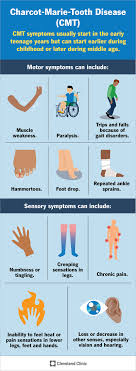
CMT manifests in various forms, primarily categorized as CMT type 1A (the most prevalent) and CMT type 1B, among others. Symptoms usually begin in adolescence or early adulthood and may include:
- Muscle weakness
- Atrophy of lower leg muscles
- Numbness or loss of sensation in the extremities
- Foot deformities such as high arches or hammertoes
As the disease progresses, individuals may encounter challenges with mobility, requiring assistance devices like braces or wheelchairs. Early diagnosis and tailored treatment plans can significantly improve outcomes for those affected.
Recent Research and Treatment Approaches
Current research into CMT is expanding, with new therapeutic approaches being explored. The recent development of gene therapy shows promise for addressing the genetic mutations responsible for some types of CMT. Additionally, physical and occupational therapy remain vital components of managing the disease, helping to maintain mobility and function.
Clinical trials are ongoing for potential medications that target the underlying causes of neurodegeneration associated with CMT. The National Institutes of Health (NIH) and various patient advocacy organizations, including the CMT Association, are instrumental in facilitating these studies, highlighting the importance of funding and support for research.
Conclusion: Importance of Awareness and Support
Understanding Charcot-Marie-Tooth disease is essential not only for affected individuals but also for communities, healthcare providers, and researchers. Increased awareness can lead to earlier diagnoses and improved access to innovative treatments. Advocate groups continue to play an important role in providing information and resources to patients and families dealing with CMT. As research progresses, there is hope for more effective treatments that may change the lives of those affected by this challenging condition.