Introduction
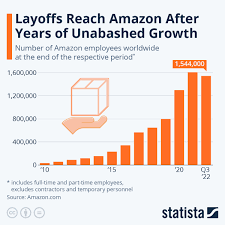
In recent months, Amazon has made headlines for significant workforce reductions, signaling a shift in the company’s strategy amidst broader economic uncertainty. With over a decade of rapid growth, the tech giant is now facing challenges that compel it to reevaluate its staffing needs. This situation not only affects thousands of employees but also has wider implications for the tech industry, supply chains, and the labor market.
Details of the Layoffs
In early 2023, Amazon announced plans to lay off approximately 27,000 employees across various departments, including retail, devices, and human resources. This decision was part of a larger restructuring effort aimed at improving efficiency and reducing costs in response to a slowdown in online shopping—a trend that accelerated during the pandemic but has waned as consumers return to physical retail environments.
The layoffs are happening in waves, with the company first announcing cuts in its devices division and subsequently extending the reductions to other business units. Leaders at Amazon have attributed these decisions to economic conditions, including rising inflation and a tighter labor market that have strained operational budgets.
Reactions and Impacts
The news of layoffs has sparked varied reactions. Many employees expressed shock and concern over job security, especially in a company known for its dynamic work culture. Union representatives and labor advocacy groups have criticized Amazon for its handling of workforce reductions, calling them unjustified and reflecting poor management practices. Additionally, some industry analysts view the move as a signal that even the largest tech companies are not immune to market pressures.
However, Amazon’s management maintains that these actions are necessary to ensure long-term growth. The company is expected to invest in areas such as artificial intelligence and cloud computing, which could create new jobs in the future. In recent statements, CEO Andy Jassy noted that while team restructuring is difficult, it is essential to align with the company’s evolving priorities.
Conclusion
As Amazon navigates these recent layoffs, the implications stretch beyond its immediate employee base. The company’s decisions reflect a broader trend in the tech landscape, where many firms are recalibrating in the face of economic challenges. Industry observers will be watching closely to see how these layoffs impact Amazon’s capability to innovate and adapt to shifting consumer demands. The ongoing labor market dynamics will also shape the future of employment in technology, as both companies and workers adjust to a new reality.