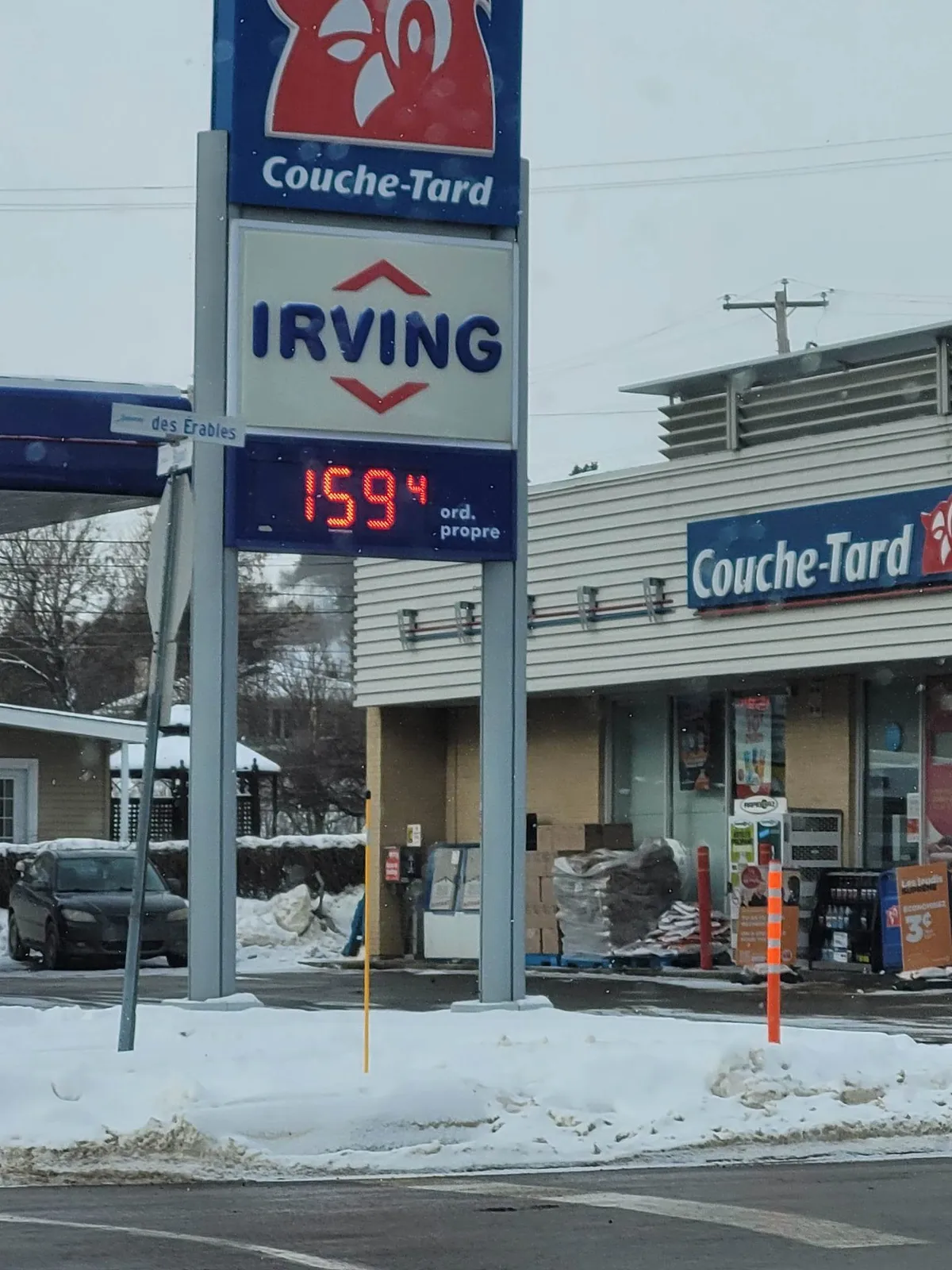
Gas Prices Surge Amid Geopolitical Tensions
“C’est affreux, mais on n’a pas le choix (de payer). On est prisonnier de ce qui se passe,” said a local driver, reflecting the frustration felt by many as gas prices in the Grand Montréal region reached $1.76 per liter.
This increase is largely attributed to the ongoing conflict in the Middle East, particularly the blockage of the Strait of Hormuz by Iran, which has significant implications for global oil supply. The Strait is a critical passage for five of the ten largest oil producers worldwide, making any disruption a cause for concern.
The current situation echoes the price hikes seen at the onset of the Ukraine-Russia conflict in 2022, which similarly impacted global energy markets. As tensions escalate, consumers are feeling the pinch at the pump, with many expressing a sense of helplessness.
Pierre-Olivier Pineau, a professor at HEC Montréal and an expert in energy management, noted, “On anticipe des pénuries futures, ce qui fait augmenter les prix.” This anticipation of future shortages is driving prices higher, leaving consumers to navigate a challenging economic landscape.
In response to these developments, G7 finance ministers have discussed the potential use of strategic oil reserves to mitigate the impact of rising prices. However, the effectiveness of such measures remains to be seen.
As the situation unfolds, Pineau emphasized the need for a shift in consumption patterns, stating, “La seule manière de sortir de cette situation, c’est de consommer moins de pétrole. C’est bon pour la géopolitique mondiale, bon pour l’environnement et bon pour le portefeuille.” This perspective highlights the interconnectedness of energy consumption, environmental sustainability, and economic stability.
With the current geopolitical climate showing no signs of easing, consumers in Grand Montréal may need to prepare for continued volatility in gas prices. The impact of these changes is likely to be felt across various sectors, from transportation to everyday household expenses.
Details remain unconfirmed regarding the long-term implications of these developments, but the urgency for a strategic response is clear.