Introduction
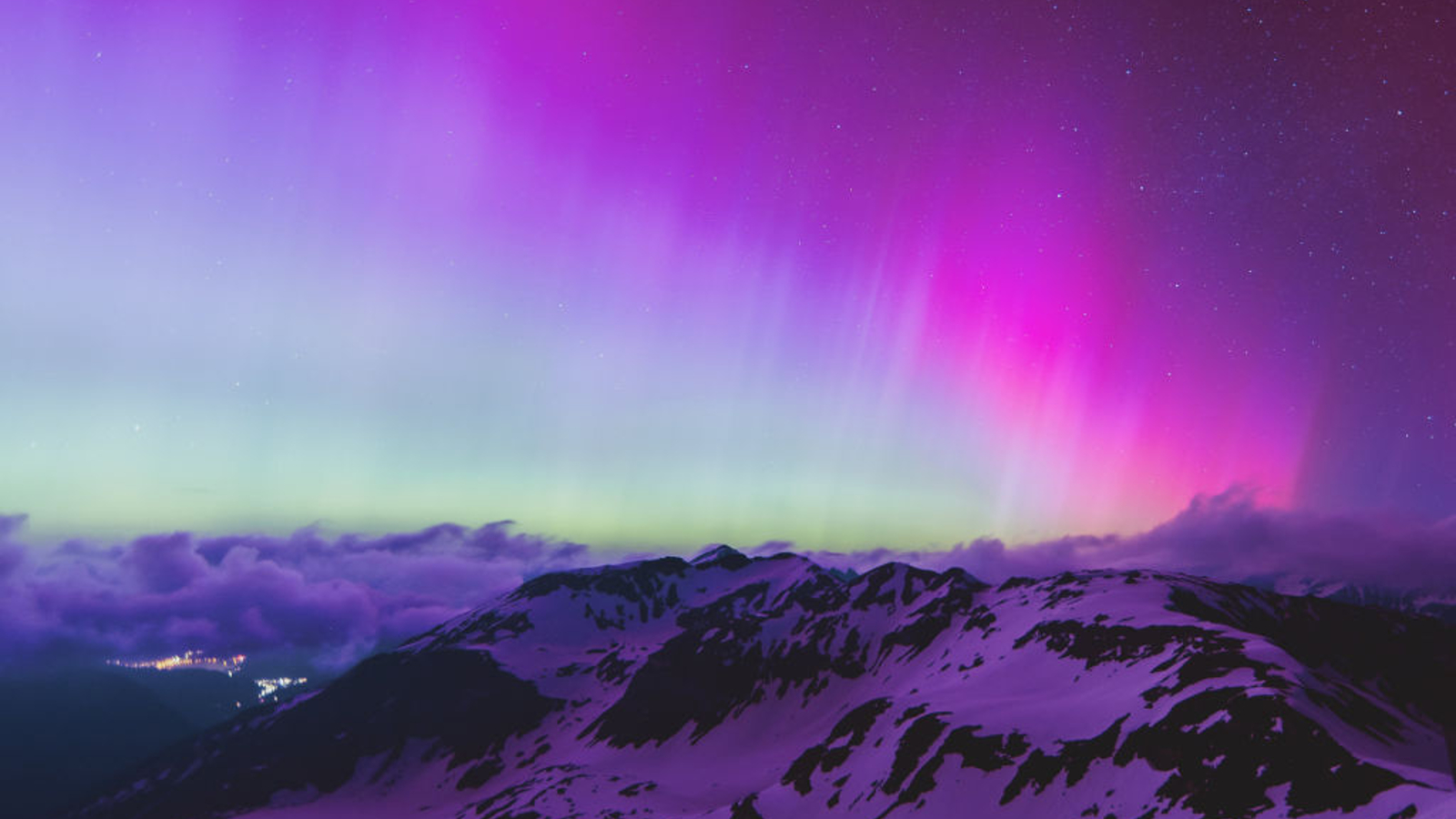
The aurora borealis, commonly known as the Northern Lights, is a spectacular natural phenomenon enjoyed by many across the Northern Hemisphere. Recently, increased geomagnetic storm activity has led to more vibrant displays of the aurora. Understanding these storms and their causes is crucial for enthusiasts hoping to catch a glimpse of this breathtaking event.
What Causes Geomagnetic Storms?
Geomagnetic storms occur due to disturbances in the Earth’s magnetosphere, primarily triggered by solar wind and coronal mass ejections (CMEs). When charged particles from the sun collide with the Earth’s magnetic field, the resulting energy can create vivid auroras. During a geomagnetic storm, the energy can lead to particularly intense auroras, visible even in areas further south than usual.
Recent Events
In recent weeks, several geomagnetic storms have been reported, enabling skywatchers in many regions, including the Midwest and Northeast United States, to witness extraordinary auroral activity. According to the National Oceanic and Atmospheric Administration (NOAA), the latest storm occurred on March 22, 2023, and rated at G4 on the geomagnetic storm scale, indicating severe activity. This storm was characterized by bright, dancing lights that captivate onlookers and intricate displays of color.
Significance of Aurora Borealis
The increase in visibility of the aurora borealis not only enhances local tourism in northern regions—such as Alaska and Canada—but also presents an opportunity for scientists to study space weather’s effects on Earth’s atmosphere. Increased auroral activity can affect satellite operations, communication systems, and even power grids. Thus, understanding geomagnetic storms is imperative for mitigating risks associated with space weather.
Conclusion
As geomagnetic storms become more frequent and intense, the visibility of the aurora borealis is expected to rise, providing an enriching experience for many and essential data for scientific research. For those interested in witnessing this stunning natural light show, the coming months present a prime opportunity. Monitoring space weather forecasts and being aware of the best viewing locations will enhance the chances of experiencing the magic that the Northern Lights have to offer.