Introduction
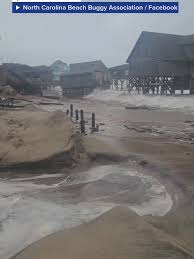
Coastal flood warnings have become an increasing concern in recent years due to rising sea levels and extreme weather events. As climate change continues to impact weather patterns, awareness of these warnings is crucial for the safety of residents living in vulnerable coastal areas. Understanding the implications of these warnings can help communities prepare and respond effectively to potential flooding.
Current Events and Trends
Recently, the National Weather Service (NWS) issued coastal flood warnings across several states, including New Jersey, Florida, and Louisiana, affecting thousands of residents. These warnings are due to forecasted high tides coupled with inclement weather caused by tropical storm systems. The impacts of these events can be severe, leading to road closures, damage to property, and disruptions in local economies.
For example, New Jersey officials warned that rising water levels could cause significant flooding in low-lying areas, urging residents to move to higher ground and prepare emergency kits. Local authorities are also working with federal agencies to assess risks and implement rescue plans if necessary.
Preparedness and Response
Preparation is vital when it comes to handling potential coastal flooding. Experts recommend that residents stay informed by keeping an eye on weather forecasts and signing up for local alert systems that provide updates on flood warnings. Furthermore, having an emergency preparedness plan that includes evacuation routes and essential supplies can make a significant difference in ensuring safety during emergency situations.
Conclusion
As climate change escalates the frequency and severity of coastal flooding, the importance of staying vigilant cannot be overstated. Communities must take coastal flood warnings seriously, heed official advice, and prepare accordingly. As we move forward, it is crucial for residents and local governments to invest in infrastructure that mitigates flood risks and enhances community resilience against future disasters. Awareness and preparedness can ultimately save lives and property in the face of these natural threats.