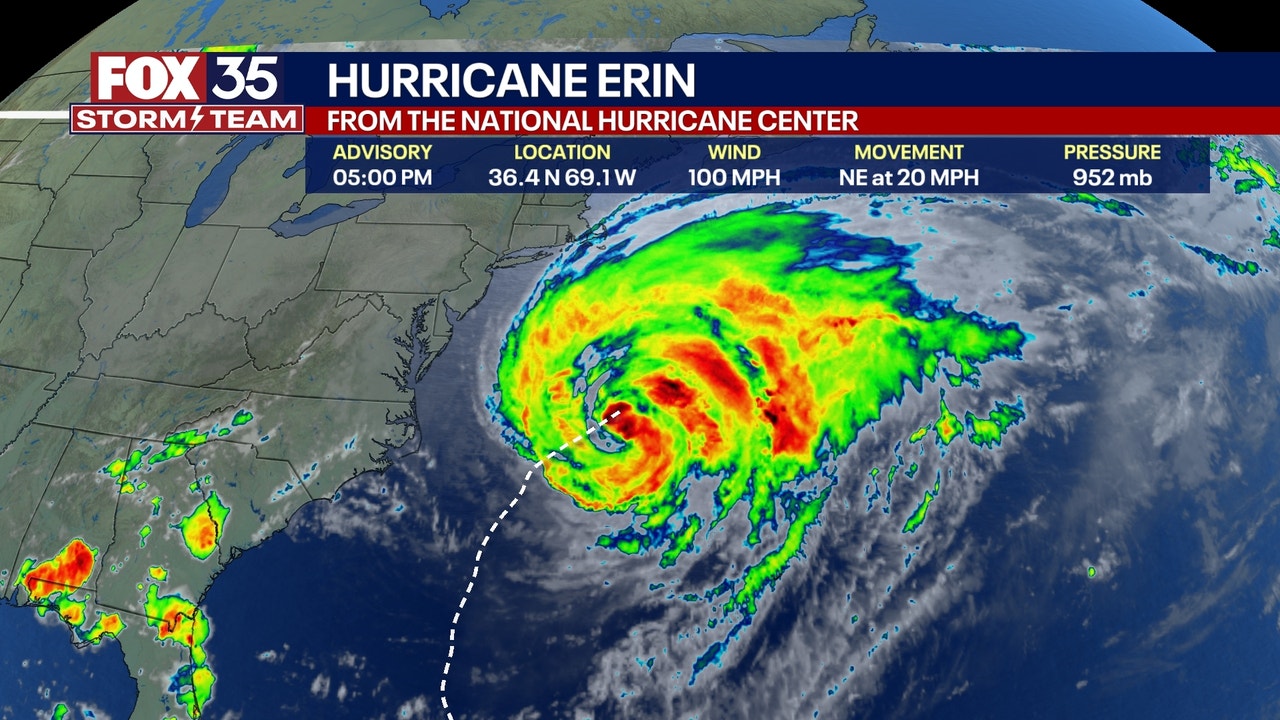
The Importance of Hurricanes and Tropical Storms in Florida
Florida is no stranger to hurricanes and tropical storms, making it one of the most vulnerable states in the U.S. for severe weather events. The Atlantic hurricane season runs from June 1 to November 30, typically peaking from mid-August to late October. Understanding these storms is crucial not only for safety and disaster preparedness but also for the state’s economy, tourism, and infrastructure.
Current and Historical Events
In recent years, Florida has witnessed several significant hurricane events. Hurricane Ian, which struck in September 2022, was one of the deadliest and costliest storms in the state’s history, causing extensive flooding and damage in areas like Fort Myers and Sanibel Island. This year, meteorologists are closely monitoring the tropics for any early signs of storms, emphasizing the need for preparedness as forecasts show increased activity due to warmer ocean waters.
According to the National Oceanic and Atmospheric Administration (NOAA), Florida averages around 10.5 hurricanes every 100 years. While the state has robust building codes and emergency services in place, the frequency and severity of storms are projected to increase due to climate change, raising concerns among residents and local governments.
Preparedness and Response Measures
As these storms can lead to power outages, flooding, and significant property damage, it is imperative for residents to have disaster plans in place. The Florida Division of Emergency Management emphasizes the importance of having an emergency kit, understanding evacuation routes, and staying informed through reliable weather channels. Local communities are also engaging in outreach programs to educate citizens on storm preparedness, focusing on vulnerable populations who may need additional support.
Conclusion and Future Outlook
The frequency and intensity of hurricanes and tropical storms in Florida are not just seasonal occurrences; they embody a growing climate crisis that demands attention. As patterns evolve and storms become more unpredictable, it is vital for officials and residents to prioritize disaster readiness and resilient infrastructure. The future of Florida will depend on a collective approach to tackling these natural disasters, ensuring safety and sustainability for generations to come.