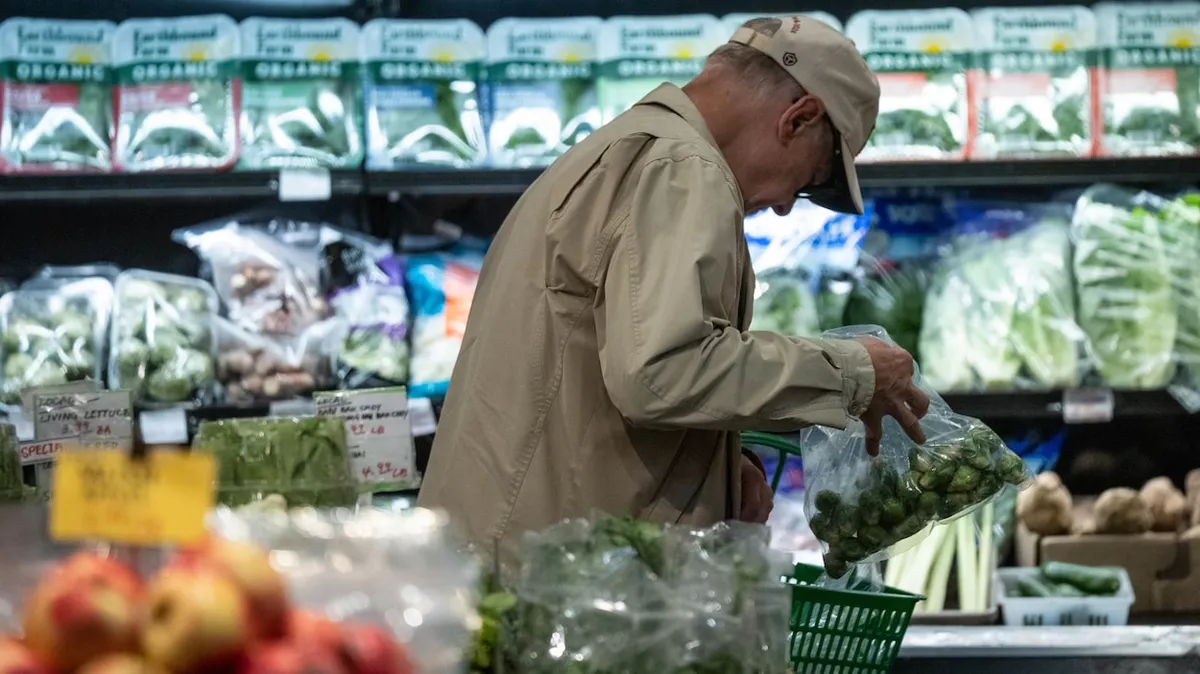
On April 7, 2026, a significant development unfolded in the realm of food accessibility in Toronto, New York, and Saguenay–Lac-Saint-Jean. As discussions about government-managed supermarkets gained traction, Avi Lewis proposed a bold initiative aimed at establishing a network of state-subsidized grocery warehouses. This proposal comes at a time when Toronto is contemplating the opening of four municipal supermarkets in low-income neighborhoods, a move that could reshape the grocery landscape for many families.
Lewis’s plan entails an initial investment of approximately 350 million dollars, with annual operating costs projected at around 290 million dollars. The initiative aims to offer local products at drastically reduced prices, potentially lowering costs by 30% in large cities and up to 45% in northern communities. Such reductions could lead to annual savings between 2,500 and 10,000 dollars for families, a significant relief for those struggling with food insecurity.
Amidst these discussions, the community in Saguenay faced a crisis when a portion of the roof of an Intermarché collapsed. Fortunately, no injuries were reported, but the incident raised immediate concerns about the store’s future. The owners are currently assessing the possibility of a partial reopening within one to two weeks, a timeline that reflects the urgency of restoring essential services to the community.
Community leaders have expressed overwhelming support for the grocery store owners following the roof collapse. Samuel Pilote, a local representative, noted, “Immediately when the tragedy occurred, we received calls from the mayor and city councilors… Everyone was ready to help.” This sentiment underscores the grocery store’s vital role in the community, as highlighted by Pier-Luc Gilbert, who stated, “The grocery store is part of the essential needs of the municipality.” Such solidarity is crucial in times of crisis, especially when food access is at stake.
As the city of Toronto navigates the complexities of establishing a grocery network, experts like Anna Paskal emphasize the potential benefits. She stated, “The government would pay for rent, for the people who work, for electricity and, in addition, should not return profits, so it could reduce grocery costs by 30% to 45% depending on where people live.” However, Sylvain Charlebois cautioned that implementing such a system would require substantial taxpayer funding, indicating the financial challenges ahead.
Details remain unconfirmed regarding the exact cause of the roof collapse in Saguenay, adding another layer of uncertainty to the community’s recovery efforts. As the local grocery store assesses its next steps, the broader implications of the proposed grocery network in Toronto remain to be seen. The initiative could serve as a model for other cities grappling with similar issues of food access and affordability.
In summary, the intersection of these events highlights the urgent need for effective solutions to food insecurity. As Toronto considers its grocery network proposal, the community in Saguenay rallies to support its local store, demonstrating the essential role of grocery access in maintaining community resilience. The outcomes of these developments will be closely watched by stakeholders across the region, as they could set a precedent for future food security initiatives.