Introduction
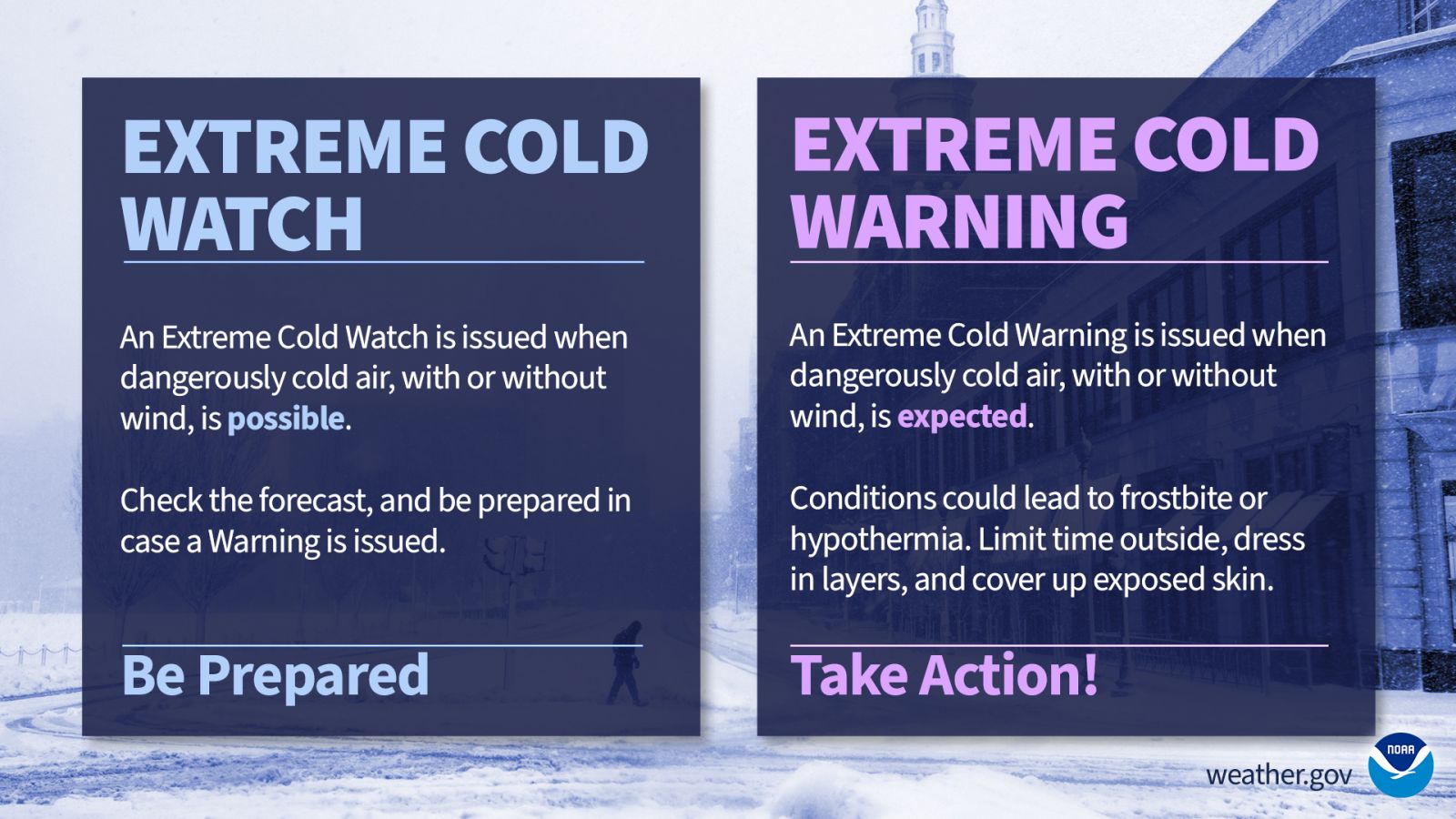
As winter approaches, the likelihood of severe weather conditions increases, prompting the National Weather Service (NWS) to issue winter weather warnings across various regions. These warnings are crucial for alerting the public to potential hazards, ensuring that communities are adequately prepared for snow, ice, and freezing temperatures. Understanding the types and implications of winter weather warnings can significantly enhance safety and preparedness during the colder months.
Types of Winter Weather Warnings
Winter weather warnings are categorized into several types, each indicating varying degrees of risk:
- Winter Storm Warning: Issued when a winter storm is imminent, bringing significant snowfall and/or ice accumulation. Travel could be hazardous.
- Winter Weather Advisory: Used when winter weather conditions are expected, potentially causing inconvenience but not as severe as to warrant a warning. Precautions are advised.
- Freezing Rain Warning: Indicates a significant threat of freezing rain, which can lead to dangerous surface conditions and power outages.
- Blizzard Warning: Activated when a winter storm produces severe conditions, including sustained winds of 35 mph or higher along with visibility below 1/4 mile.
Current Events
As of early November 2023, several states in the Midwest and Northeast have reported an uptick in winter weather warnings. Recent forecasts predict heavy snowfall in parts of Minnesota and Wisconsin, where the NWS has issued winter storm warnings due to anticipated accumulations exceeding six inches. Additionally, icy conditions are predicted in regions from the Great Lakes to New England, demanding vigilance and preparation from residents.
Local authorities are advising road safety measures, urging people to avoid unnecessary travel during peak storm conditions. Schools in affected areas have already announced delays or closures, and communities are encouraged to stock up on supplies in anticipation of possible winter power outages.
Conclusion
As winter is upon us, understanding winter weather warnings becomes critically important for personal and community safety. Staying informed of these alerts not only prepares individuals to tackle severe weather conditions but can also help avoid accidents and emergencies. With the current forecasts indicating harsh winter conditions, authorities advise everyone to monitor local weather updates and adhere to safety guidelines. By preparing in advance, we can mitigate the impact of winter storms and ensure a safer season ahead.