Introduction
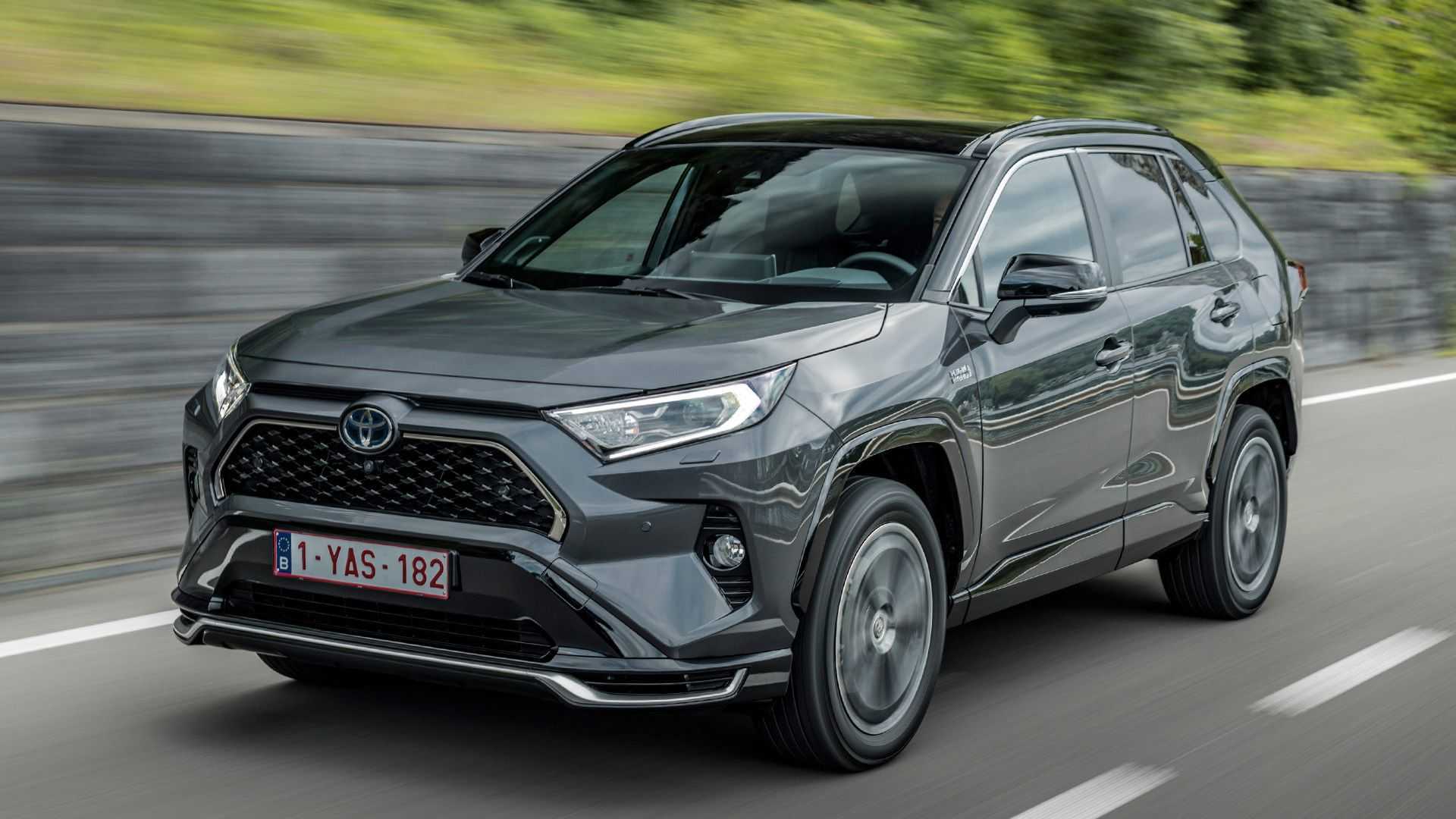
The Toyota RAV4 continues to be one of the most popular compact SUVs in the United States, known for its versatility, safety, and fuel efficiency. With the automotive market shifting towards electric vehicles and increased emphasis on sustainability, the RAV4 has adapted to these trends while maintaining its strong consumer appeal. As of 2023, understanding the features and advancements of the RAV4 is crucial for buyers looking to navigate the evolving landscape of SUVs.
Current Features and Changes
For 2023, the RAV4 comes equipped with several notable features that enhance its appeal. The base model offers a suite of safety features such as Toyota’s Safety Sense 2.0, which includes adaptive cruise control, lane departure alert, and automatic high beams. Higher trims, such as the RAV4 Limited, offer luxury amenities including a premium audio system, larger touchscreen displays, and a panoramic sunroof.
In response to consumer demand for efficiency, the RAV4 Hybrid and RAV4 Prime (plug-in hybrid) versions continue to gain traction. The RAV4 Hybrid offers a combined EPA rating of around 40 mpg, showcasing Toyota’s commitment to eco-friendly vehicles without compromising performance. As electric vehicles become more popular, Toyota plans to continue enhancing the RAV4’s hybrid technology, with discussions about a fully electric version in the future.
Market Trends
The automotive industry is witnessing a significant shift, with overwhelming interest in SUVs. In 2022, Toyota reported an increase in RAV4 sales, making it one of the top-selling vehicles in its class for the year. According to industry analysts, the compact SUV segment is expected to grow, with more consumers opting for versatile vehicles that can accommodate various lifestyles.
Additionally, Toyota’s reputation for reliability plays a critical role in the RAV4’s success. The brand often ranks at the top of customer satisfaction surveys, which reflects in resale value and consumer loyalty. The increasing focus on technology integration, such as smartphone compatibility and advanced driver-assistance systems, further solidifies the RAV4’s competitive edge.
Conclusion
As the automotive landscape evolves, the RAV4 remains a solid choice for consumers seeking a reliable compact SUV. Its balance of functionality, safety, and efficiency makes it appealing in a market that prioritizes sustainability. With ongoing innovations, including hybrid options and potential electric variants, the RAV4 is poised to maintain its relevance and popularity among American drivers. Looking ahead, it will be interesting to see how the RAV4 continues to adapt to changing consumer preferences and technological advancements.