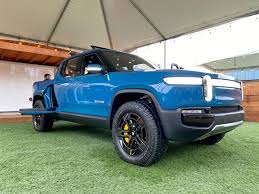
The Rise of Rivian
In recent years, Rivian has emerged as a key player in the electric vehicle (EV) market, drawing significant attention from both consumers and investors. Founded in 2009, the company has focused on producing electric trucks and SUVs, aiming to target outdoor enthusiasts and environmentally conscious consumers alike. With the increasing urgency to address climate change, Rivian’s innovative approach to electric mobility is not only timely but essential.
Recent Developments and Milestones
Rivian made headlines in 2021 when it went public through one of the largest initial public offerings of the year, raising over $11 billion. This funding enabled the company to ramp up production of its first two models: the R1T, an all-electric pickup truck, and the R1S, an all-electric SUV. As of late 2023, Rivian reports that it has delivered thousands of vehicles, surpassing many of its initial production goals despite challenges in the supply chain that have affected many automakers worldwide.
The company has also partnered with major corporations, like Amazon, to support their sustainability goals. In a notable deal, Rivian committed to deliver 100,000 electric delivery vans to Amazon, which has spurred further interest in its capabilities and future potential. The collaboration is part of Amazon’s larger plan to become net-zero carbon by 2040.
Challenges Ahead
Despite its successes, Rivian faces significant challenges. The automotive industry is highly competitive, with established brands like Tesla, Ford, and General Motors ramping up their EV offerings. Additionally, Rivian has grappled with production delays and rising costs, which could impact its long-term profitability. Analysts have urged the company to streamline its supply chain and improve operational efficiencies to sustain growth in the competitive EV landscape.
The Future of Rivian
Looking ahead, Rivian is focusing on expanding its vehicle lineup. The anticipated launch of a more affordable model may allow it to reach a wider audience, thus enhancing market share. Furthermore, as the demand for electric vehicles continues to rise, driven by advancements in battery technology and increasing environmental awareness, Rivian appears well-positioned to benefit from these trends.
Conclusion
Rivian’s journey in the electric vehicle market is closely watched by industry experts and consumers alike. As it continues to innovate and adapt, the company’s commitment to sustainability and adventurous mobility heralds a promising future. For readers, staying informed about Rivian’s progress offers insights into the future of transportation and the role of electric vehicles in combating climate change.