Gas Prices in Toronto Surge Amid Rising Oil Costs
Gas prices in Toronto have recently seen a notable increase, with drivers currently paying approximately $1.52 per litre for gasoline. This surge in fuel costs comes as the price of oil has crossed the $90 mark and is projected to exceed $100 soon, raising concerns among consumers and economists alike.
The rise in oil prices has been significant, with a reported increase of 64% since January 7. Such fluctuations in oil prices often have a cascading effect on various sectors, particularly in the supply chain, leading to higher costs for consumers. Jennifer Ludwig, an industry expert, noted, “When there is an increase in price in the supply chain, consumers will inevitably end up seeing a price increase at some point in time.” This sentiment underscores the interconnectedness of oil prices and everyday expenses.
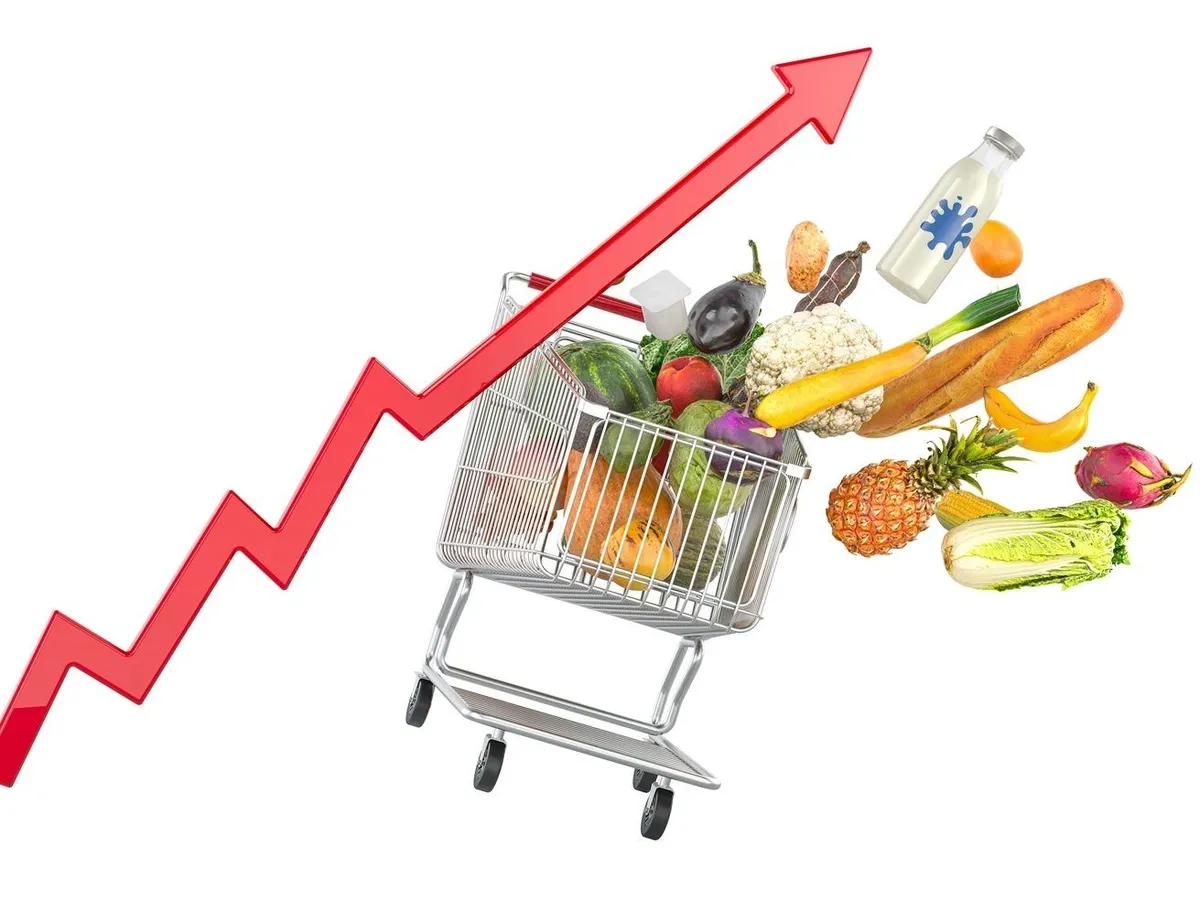
In addition to the immediate impact on gasoline prices, historical data suggests that sustained increases in oil prices can lead to higher food costs. For every 25% increase in oil prices, the average Canadian family’s annual food bill rises by roughly $150 to $200. This correlation raises alarms about the potential for increased living costs as fuel prices continue to climb.
Broader trends in fuel prices are also evident in other regions. For instance, diesel prices in Brandon have reached as high as 189.9 cents per litre, while regular gasoline was listed at 144.9 cents per litre. In Alberta, diesel prices were reported as high as 190.9 cents per litre, and in Regina, Sask., diesel prices peaked at 177.9 cents per litre. These figures illustrate a widespread increase in fuel costs across Canada, further emphasizing the national impact of rising oil prices.
Viet Vu, another industry analyst, commented on the current situation, stating, “It’s not the fact that there is a separate market with separate prices in the Middle East compared to North America.” This observation highlights the global nature of oil pricing and its direct effects on local markets, including Toronto.
Historically, oil shocks have led to noticeable increases in food prices months later, as seen in 2008, 2011, and 2022. The potential for a similar pattern to emerge from the current rise in oil prices remains a concern for many families and businesses. As prices continue to fluctuate, the economic implications could be significant, affecting everything from transportation costs to grocery bills.
As consumers in Toronto and beyond grapple with these rising costs, many are looking for ways to adapt. Jennifer Ludwig remarked, “Just like businesses, the people of Brandon are figuring out how to make their hard-earned money stretch that much further.” This sentiment resonates with many Canadians who are feeling the pinch of increasing fuel prices.
Details remain unconfirmed regarding the exact future trajectory of oil prices and the impact of geopolitical tensions on oil supply and prices. However, the current trends in gas prices in Toronto are indicative of a larger economic shift that could have lasting effects on consumers and the economy as a whole.