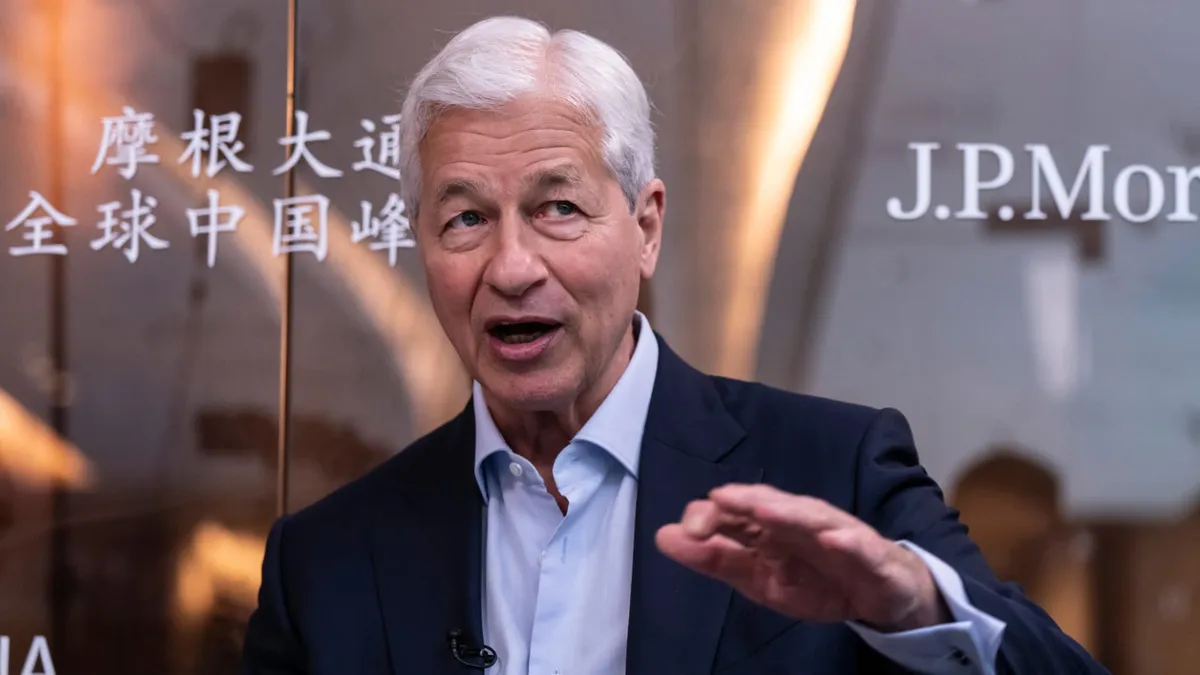
J.P. Morgan analysts predict that the UAE’s exit from OPEC could lead to increased U.S. investment as the country aims to boost oil production. The UAE announced its exit effective May 1, seeking to pursue its national interests.
The UAE has frequently clashed with OPEC producers over quotas. In 2022, the UAE accounted for over 11% of OPEC’s oil production.
As of midday, J.P. Morgan noted that the UAE’s exit would not lead to significant changes in the immediate term due to the blocked Strait of Hormuz. Analysts stated, “The UAE’s exit from OPEC would not lead to any significant change in the immediate term because of the still blocked Strait of Hormuz that doesn’t allow Gulf producers to increase output.”
The ongoing crisis at the Strait of Hormuz has caused massive shut-ins of oilfields across the Middle East, leading to estimated losses of around 10 million barrels per day.
Despite these challenges, Barclays indicated that once the Hormuz crisis is resolved, the UAE is set to grow its oil production faster. J.P. Morgan theorizes that the UAE could pump an additional 1.5 million barrels per day above current levels.
The potential exit of such a significant producer could reduce OPEC’s ability to stabilize global oil markets. As Amrita Sen pointed out, “The ability of OPEC to influence oil prices doesn’t change with the UAE’s exit.”
Observers are watching closely how this move will affect global investments and market dynamics in oil production.