Introduction
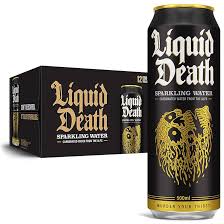
In a world increasingly concerned with environmental sustainability and consumer health, Liquid Death has emerged as a trailblazer in the beverage industry. Founded in 2019, this innovative brand markets mountain water in striking tallboy cans, turning an everyday product into a trend. This approach not only appeals to consumers’ desire for healthier choices but also targets the widespread issue of plastic waste, making the brand’s ethos more relevant than ever.
The Rise of Liquid Death
What started as a provocative idea has quickly became a movement. Liquid Death’s unique positioning revolves around its quirky marketing messages, which often carry a punk rock aesthetic. Their tagline, “Murder Your Thirst,” is accompanied by vibrant visuals of skulls and heavy metal imagery, setting them apart from traditional water products. The brand’s founders, Mike Cessario and his team, recognized a gap in the beverage market — a product line that could appeal to health-conscious millennials and Gen Z consumers, while also addressing the global crisis of single-use plastics.
In the years since its inception, Liquid Death has garnered considerable attention, amassing a loyal following and even receiving investments from notable celebrities including the likes of Chris Evans and the band Metallica. Their focus on creating a community around eco-consciousness has resonated with consumers and positioned Liquid Death as a brand of choice.
Environmental Initiatives
Liquid Death is not just recreating the way water is consumed but is making a notable effort to make a difference. Each purchase contributes to cleaning up oceans and rivers. According to the company’s official reports, they have committed a portion of their revenue to various environmental initiatives, including partnerships with organizations dedicated to reducing plastic pollution. This commitment has ingrained Liquid Death in conversations about sustainability and environmentalism, further solidifying its reputation and attracting a broader demographic.
Conclusion
Liquid Death embodies a cultural shift in how consumers view health, hydration, and sustainability. By opting for cans over plastic bottles, they address essential ecological concerns while also drawing in a diverse customer base through smart marketing. As the beverage industry continues to evolve, Liquid Death’s unique approach offers a glimpse into future trends where consumer values increasingly drive product choices. For readers interested in both health and environmental issues, exploring brands like Liquid Death illustrates the meaningful activities within the beverage industry that can contribute to broader societal changes.