Impact of Mahmoud Khalil’s Detention
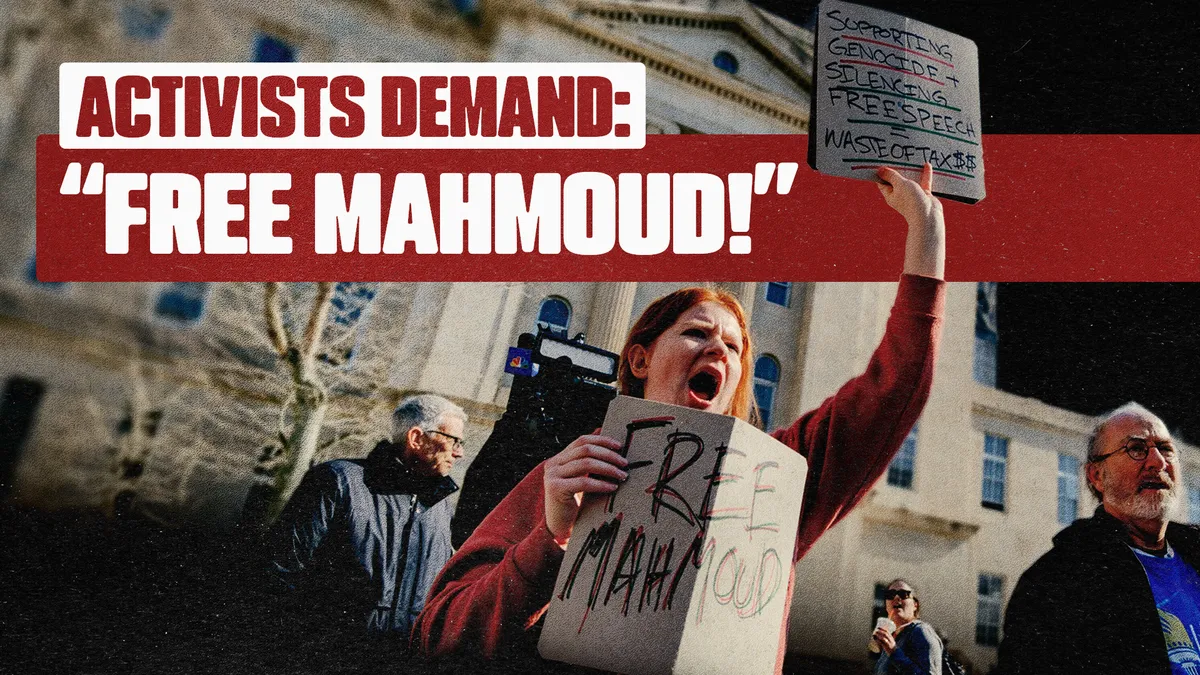
Mahmoud Khalil’s detention by ICE has sparked widespread concern regarding the treatment of immigrants and their rights, particularly in relation to free speech. Detained on March 8, 2025, Khalil spent over 100 days in immigration custody, missing the birth of his first child during this period. His case has become emblematic of the broader issues surrounding immigration enforcement and the potential infringement on First Amendment rights for those who speak out against U.S. policies.
Khalil’s detention is seen as part of a nationwide effort initiated during the Trump administration to deport noncitizens who publicly criticize U.S. support for Israel, particularly in the context of the conflict in Gaza. This crackdown on dissent has raised alarms among civil rights advocates and legal experts, who argue that such actions threaten the foundational principles of free speech and academic freedom.
Legal Developments
After spending three months in custody, Khalil was released on June 20, 2025, when a federal district judge granted him bail, ruling that his detention was likely unconstitutional. This ruling has significant implications, as it sets a precedent for the rights of immigrants, particularly those involved in political activism. Khalil’s legal team, comprising more than 20 lawyers, is working diligently to challenge the legality of his detention and advocate for the rights of others in similar situations.
Public Response and Support
The public response to Khalil’s detention has been overwhelmingly supportive, with many viewing him as a symbol of resistance against oppressive immigration policies. NYC Mayor Zohran Mamdani publicly invited Khalil to break the Ramadan fast at Gracie Mansion, emphasizing his status as a valued member of the New York community. Khalil himself has expressed that he feels targeted for his activism, stating, “I was absolutely targeted for what I represent, which is a student movement that erupted against the U.S. support for Israel.”
Implications for Academic Freedom
Khalil’s case has raised critical questions about the role of academic institutions in protecting the rights of their students. He has criticized Columbia University for prioritizing the interests of its Board of Trustees over the principles of academic freedom, saying, “They chose to ruin their brand, their institution, their academic freedom just to protect the interest of the Board of Trustees.” This sentiment resonates with many who believe that universities should be bastions of free thought and expression.
Looking Ahead
As Khalil’s legal battle continues, the implications of his case extend beyond his personal circumstances. It serves as a litmus test for the treatment of immigrants and their rights to free speech in the United States. Advocates are closely monitoring developments, as the outcome could influence future cases involving political dissent among noncitizens.
Details remain unconfirmed regarding the next steps in Khalil’s legal proceedings, but his situation continues to draw attention to the urgent need for reforms in immigration policy and the protection of civil liberties for all individuals, regardless of their citizenship status.