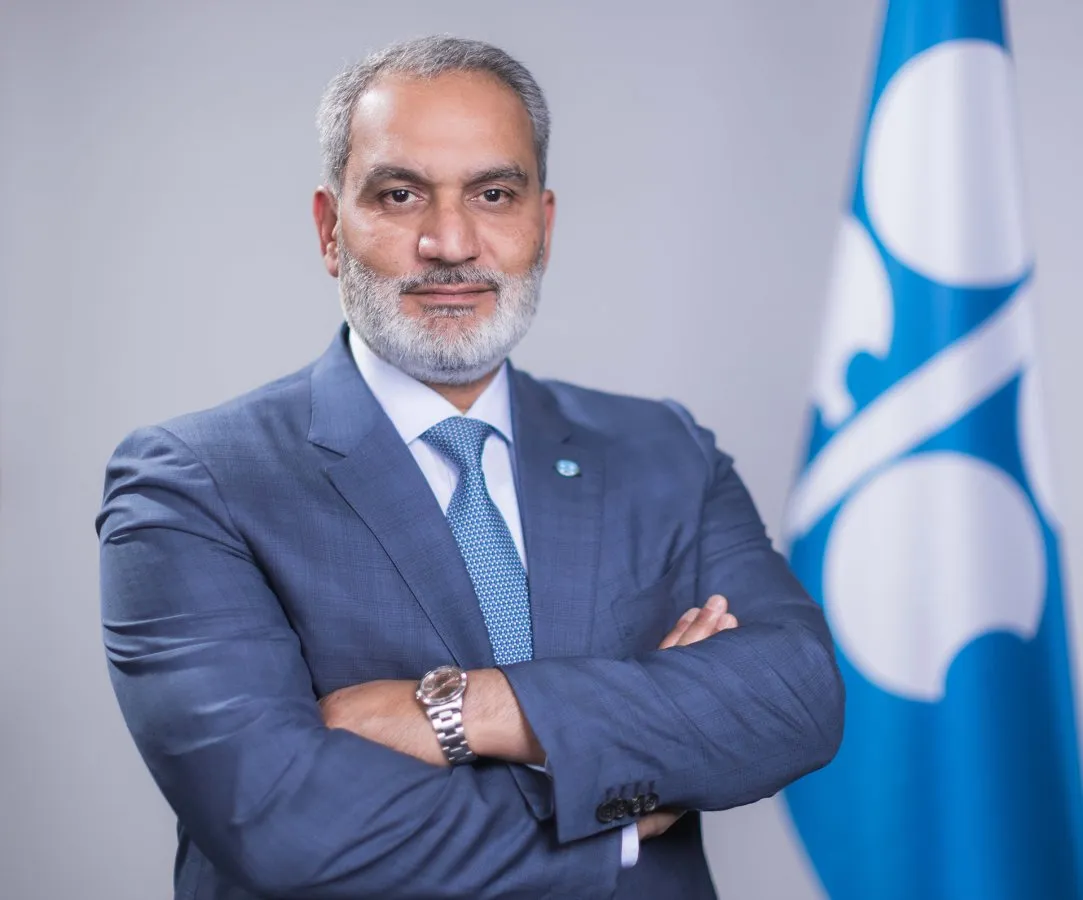
The United Arab Emirates announced it is leaving OPEC and OPEC+ effective May 1, 2026. This decision reflects a significant shift in regional energy dynamics amid the ongoing Iran war.
The UAE has been a member of OPEC since 1967. Over the years, its relations with Saudi Arabia have grown increasingly frosty due to political and economic disagreements.
As of early Tuesday, reports indicate that the UAE did not consult with Saudi Arabia before making this decision. This lack of communication raises questions about future alliances within the organization.
The UAE’s exit weakens OPEC’s control over global oil supplies. OPEC accounts for roughly 40 percent of the world’s oil output. Analysts suggest that this move could allow the UAE to increase oil production beyond existing quotas.
William Wechsler commented that maximizing energy revenues is now an attractive prospect for the UAE. The decision is seen as part of a broader strategy aligned with its long-term economic vision.
Landon Derentz noted that the UAE’s departure marks a political blow to OPEC’s perceived influence. Over time, this absence may pose an existential risk to the cartel’s sustainability.
The situation remains fluid as officials continue to assess the implications of this major shift. The UAE’s strategic interests have clearly diverged from those of other OPEC members.
As tensions rise in the region due to the Iran war, the impact on energy strategies will be closely monitored, especially regarding stability in the Strait of Hormuz.