The Japanese attack on Pearl Harbor on December 7, 1941, marked a pivotal moment in U.S. history, drawing the nation into World War II and resulting in the deaths of 2,390 Americans. Prior to this, the expectation was that the U.S. would remain uninvolved in the escalating global conflict. However, the attack shattered that notion, leading to an immediate declaration of war against Japan the following day.
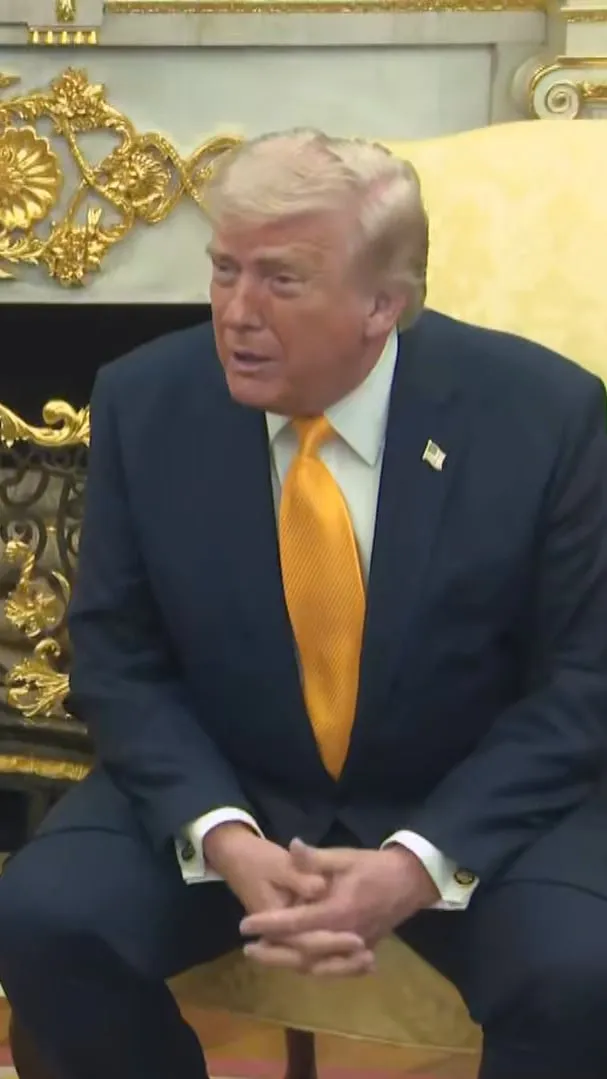
Fast forward to recent events, Donald Trump referenced Pearl Harbor during a meeting with Japan’s Prime Minister, Takaichi. His comments came in response to a question regarding why the U.S. did not inform its allies before launching an attack on Iran. Trump’s statement, “Why didn’t you tell me about Pearl Harbor?” has sparked significant discussion.
Trump elaborated, stating, “One thing you don’t want to signal too much, you know, when we go in, we went in very hard and we didn’t tell anybody about it because we wanted surprise. Who knows better about surprise than Japan?” This comparison to a historical event known for its surprise attack has raised eyebrows and prompted criticism.
The immediate effect of Trump’s comments has been a mix of support and backlash. His son, Eric Trump, praised his father’s response, indicating a divide in public opinion regarding the appropriateness of such historical references in contemporary military discussions.
Experts are weighing in on the implications of this rhetoric. Some argue that invoking Pearl Harbor in the context of modern military strategy could undermine the lessons learned from history, while others see it as a strategic move to emphasize the element of surprise in military operations.
The historical significance of Pearl Harbor cannot be understated, as it led to the U.S. defeating Japan in August 1945 after the atomic bombings of Hiroshima and Nagasaki. The reference to this event in current geopolitical discussions serves as a reminder of the complex legacy of military engagement.
As tensions with Iran continue to escalate, the use of historical analogies like Pearl Harbor may shape public perception and policy decisions. The debate surrounding Trump’s comments reflects broader concerns about how history informs current military strategies.
Details remain unconfirmed regarding the full impact of Trump’s remarks on U.S.-Japan relations and the ongoing situation with Iran. However, the invocation of such a significant historical event is sure to resonate in political and military circles.