Introduction
Pneumonia is a significant public health concern, impacting millions of individuals globally each year. It is an infection that inflames the air sacs in one or both lungs, which can fill with fluid or pus, leading to severe symptoms such as a cough, fever, chills, and difficulty breathing. According to the World Health Organization (WHO), pneumonia is one of the leading causes of death, especially among children under five and elderly populations, making awareness and understanding of this disease crucial.
Understanding Pneumonia
Pneumonia can be caused by various organisms, including bacteria, viruses, and fungi. Bacterial pneumonia is often more severe and is commonly treated with antibiotics. The most frequent cause of viral pneumonia is the influenza virus but can also include coronaviruses. There are also specific risk groups more susceptible to pneumonia, including individuals with chronic health conditions, smokers, and those with weakened immune systems.
Current Trends and Statistics
Recent data shows a concerning rise in pneumonia cases, particularly during respiratory virus seasons. As per the Centers for Disease Control and Prevention (CDC), pneumonia accounted for more than 1 million hospitalizations in the United States in 2019 alone. In 2021, the COVID-19 pandemic illustrated the vulnerability of populations to respiratory infections, leading to a secondary surge in pneumonia cases, further stressing the importance of vaccination and public health measures.
Symptoms and Diagnosis
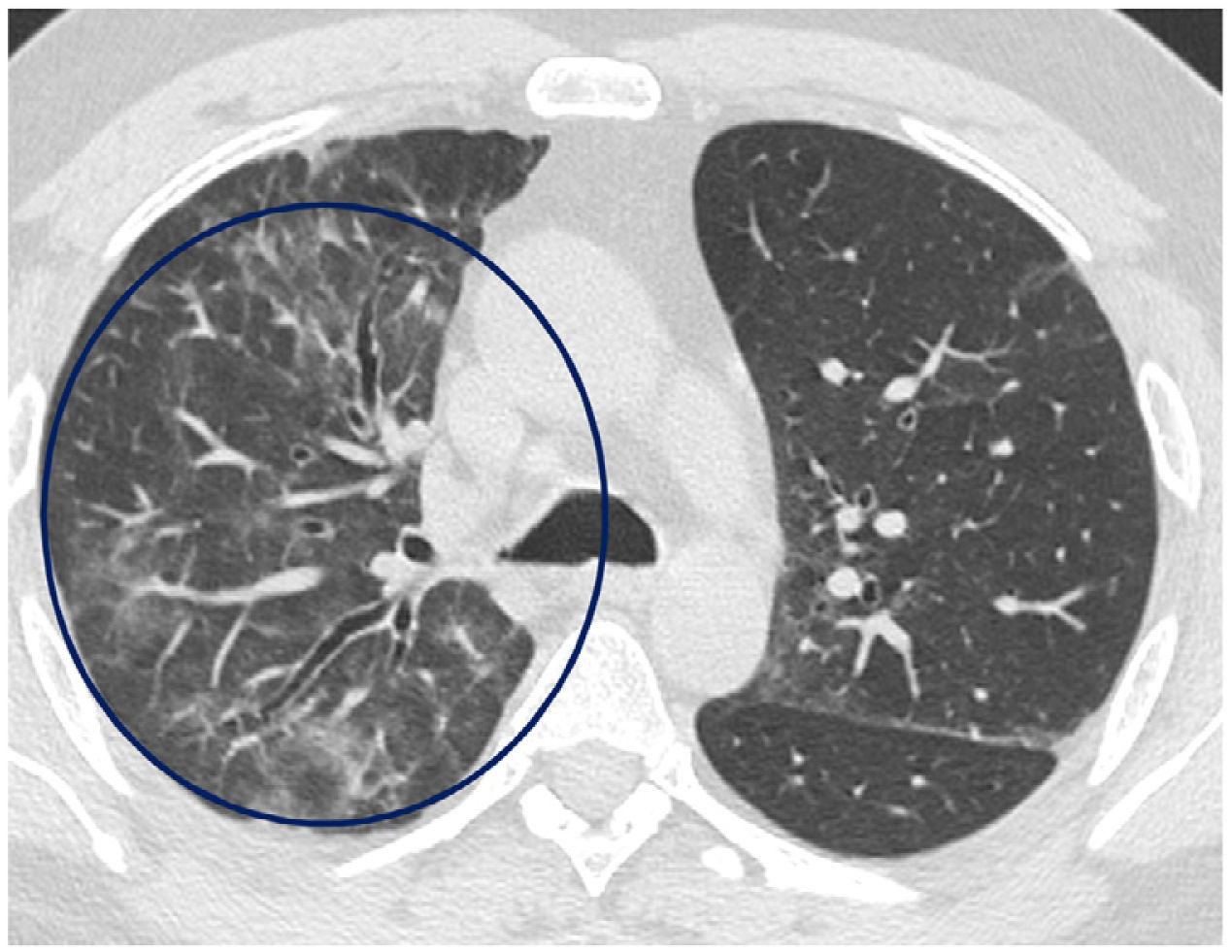
The symptoms of pneumonia can range from mild to severe and often include a cough with phlegm, sharp chest pain, dysphoria, and fever. Diagnosing pneumonia typically involves a medical history review, a physical examination, and imaging tests like chest X-rays or CT scans. Sputum tests can also aid in identifying the causative organism.
Treatment Options
Treatment of pneumonia depends on the type and severity of the infection. Bacterial pneumonia is usually treated with antibiotics, while viral pneumonia may require antiviral medications and supportive care. Oxygen therapy may be needed for those suffering from severe breathing issues, while hospitalization may be necessary for high-risk patients. Preventive measures, such as vaccinations against influenza and pneumococcal pneumonia, are vital in reducing the incidence and severity of this disease.
Conclusion
Pneumonia remains a critical health issue worldwide, with significant implications for public health. Increased awareness of its symptoms, treatment options, and the importance of vaccinations can help mitigate its impact. As research evolves and treatment frameworks expand, the future looks promising for significantly reducing the rates of pneumonia through ongoing education and prevention initiatives.