Introduction
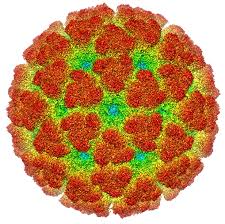
The chikungunya virus is a mosquito-borne disease that has gained increasing attention due to its rapid spread in tropical and subtropical regions. The relevance of understanding this virus is underscored by recent outbreaks in various countries, which pose significant public health concerns. With its debilitating symptoms, primarily fever and severe joint pain, chikungunya affects the quality of life of those infected, making education and prevention crucial.
What is Chikungunya Virus?
The chikungunya virus is transmitted to humans through the bite of infected mosquitoes, primarily the Aedes aegypti and Aedes albopictus species. First identified in Tanzania in 1952, the virus has since spread to numerous countries around the globe. Unlike some diseases, the chikungunya virus does not typically result in death. However, its symptoms can persist for months or even years, leading to ongoing health issues for many survivors.
Current Outbreaks
As of 2023, there have been notable outbreaks in regions such as Central America, the Caribbean, and parts of Asia. For instance, in Honduras, health officials reported thousands of cases in a single month, raising alarms about the rapid spread. Similarly, cases in the United States have been documented, typically from travelers returning from affected areas. The Centers for Disease Control and Prevention (CDC) emphasizes that with climate change influencing mosquito populations, the potential for chikungunya to spread to new areas remains significant.
Symptoms of Chikungunya
Symptoms typically appear 3-7 days after a mosquito bite and may include:
- High fever
- Severe joint pain
- Muscle pain
- Headache
- Rash
- Fatigue
While most people recover within a week, some may experience chronic joint pain that can last for months or years.
Prevention and Control
Preventing chikungunya primarily involves avoiding mosquito bites. Key strategies include:
- Using insect repellent containing DEET
- Wearing long sleeves and pants
- Using mosquito nets when sleeping
- Eliminating stagnant water around homes to reduce mosquito breeding sites
Public health campaigns are essential in raising awareness about the virus and encouraging preventive measures in endemic areas.
Conclusion
The chikungunya virus continues to pose a health threat in various parts of the world. With escalating cases and the ability to cause lasting symptoms, awareness and preventive actions are paramount. Health officials recommend staying informed about outbreaks and taking personal protective measures seriously. As climate change impacts mosquito behavior and populations, public health initiatives will be critical in managing and mitigating the effects of the chikungunya virus in the years to come.