Introduction
Measles, a highly contagious viral infection, poses significant public health concerns, especially in areas with low vaccination rates. Understanding the symptoms of measles is crucial for early detection and prevention of outbreaks, which can lead to severe complications, including pneumonia and encephalitis. As global vaccination efforts have fluctuated, awareness of measles symptoms has become more important than ever.
Common Symptoms of Measles
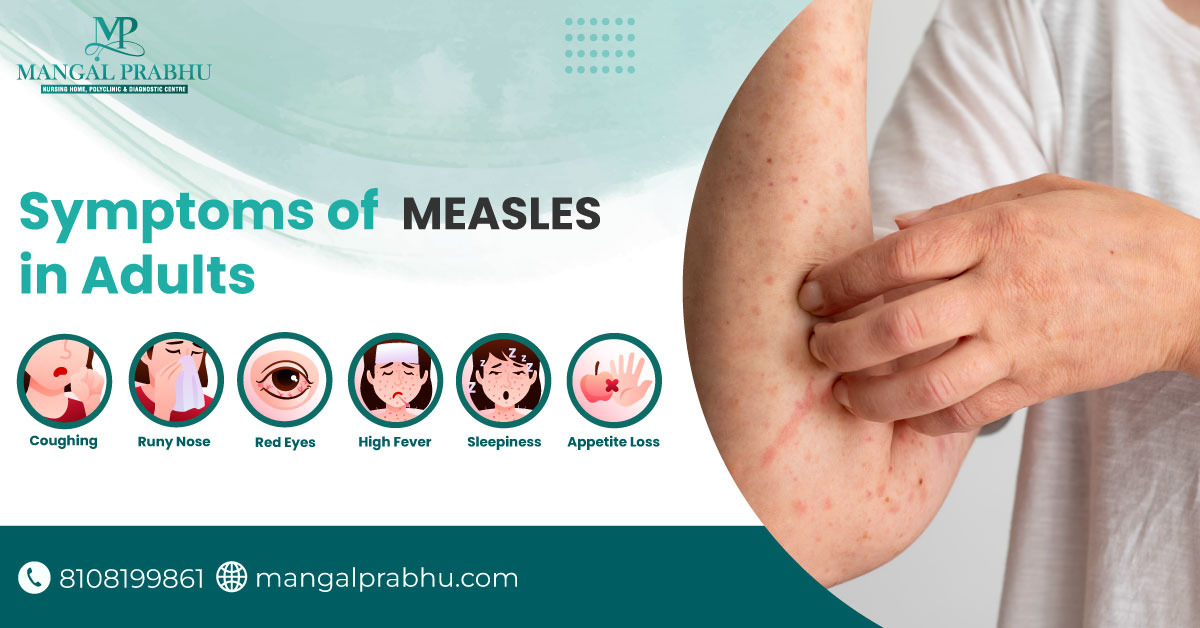
The initial symptoms of measles usually manifest 10 to 12 days after exposure to the virus. The early signs include:
- Fever: Often the first sign, a high fever usually starts 10 to 12 days after exposure.
- Cough: A dry cough develops shortly after the onset of fever.
- Runny Nose: nasal congestion and a watery runny nose are common early symptoms.
- Conjunctivitis: Red, watery eyes can occur, which can lead to sensitivity to light.
- Body Aches: General malaise and body aches are frequently reported by those infected.
After 2-3 days of these initial symptoms, a hallmark characteristic of measles appears—
Koplik Spots
These small white spots typically emerge inside the mouth. They are considered pathognomonic for measles and often appear before the characteristic measles rash.
The Measles Rash
Shortly after the fever spikes and Koplik spots appear, a red rash begins to develop, usually starting at the hairline and spreading downwards. This rash typically lasts about 5 to 6 days before fading. Prompt recognition of the rash can help in diagnosing the disease early and preventing transmission.
Importance of Vaccination
Measles can have serious complications, especially in young children and those with weakened immune systems. Vaccination is critical in preventing the spread of this disease. The MMR vaccine, which protects against measles, mumps, and rubella, is typically administered in childhood, and maintaining high vaccination coverage in the community is essential to prevent outbreaks.
Conclusion
Recognizing the symptoms of measles is vital for public health, especially in light of recent outbreaks linked to declining vaccination rates. Awareness and education about measles symptoms can empower individuals to seek medical help promptly and encourage compliance with vaccination recommendations. As we move forward, it is crucial to maintain high immunization rates to effectively reduce the incidence of this preventable disease.