Introduction to Flu Symptoms
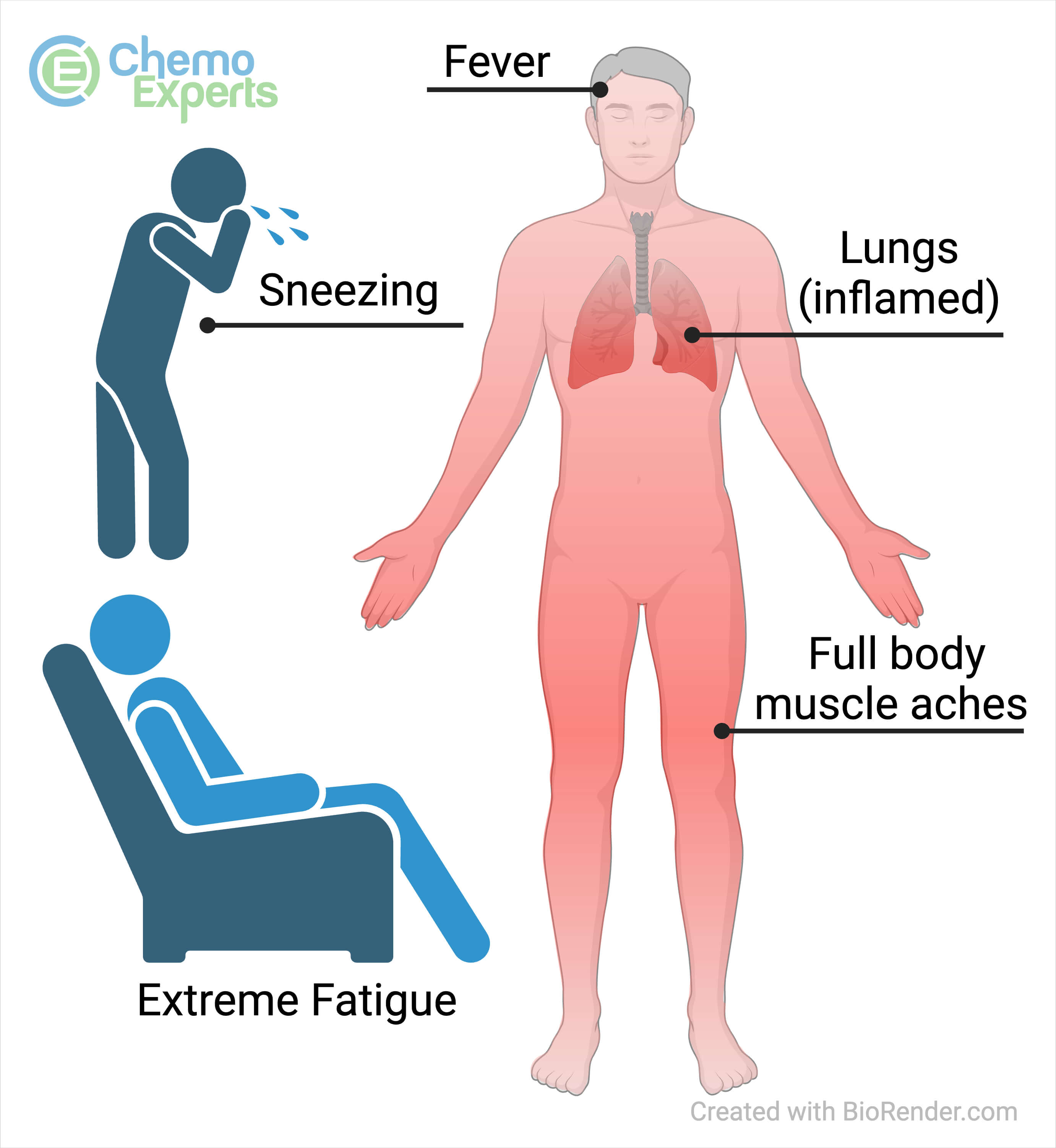
As the colder months approach, flu season is upon us once again. Flu symptoms can vary but typically include fever, chills, and body aches, making it a significant concern for public health. Understanding these symptoms is crucial for timely diagnosis and treatment, helping to mitigate the spread of influenza and its potential complications. This year, with ongoing concerns surrounding respiratory illnesses, awareness of flu symptoms is particularly relevant.
Common Flu Symptoms
The influenza virus can present a range of symptoms that often appear suddenly. According to the Centers for Disease Control and Prevention (CDC), common flu symptoms include:
- Fever and chills: A high temperature is often one of the first signs.
- Cough: A dry cough may develop, which can worsen over time.
- Muscle and body aches: Many individuals report significant muscle pain and malaise.
- Fatigue: Tiredness can persist for weeks even after other symptoms subside.
- Sore throat: This may accompany other symptoms, indicating irritation.
- Runny or stuffy nose: Nasal congestion is also common.
- Headaches: Intense headaches can occur, particularly when combined with fever.
These symptoms can last from a few days to two weeks. It’s important to note that not everyone with influenza will experience all of these symptoms, and some may experience gastrointestinal symptoms, such as nausea or diarrhea, though these are more common in children.
When to Seek Medical Attention
While many cases of the flu are manageable at home, certain populations are more vulnerable, including young children, the elderly, and individuals with chronic health conditions. The CDC advises seeking medical attention if symptoms worsen, particularly if one experiences:
- Difficulty breathing or shortness of breath.
- Chest pain or pressure.
- Sudden dizziness or confusion.
- Extreme or persistent vomiting.
Conclusion: Importance of Awareness
Being aware of flu symptoms is vital for taking proactive steps to manage health during flu season. With the potential for significant increases in flu cases this winter and concerns over co-infections with COVID-19, recognizing these symptoms early can help individuals seek treatment sooner, and prevent the spread of the virus to others. Public health measures, including vaccination, frequent handwashing, and staying home when ill, remain essential components of flu season management. Stay informed and protect yourself and your community this winter.