Introduction
In recent weeks, Wake County, North Carolina has been experiencing a significant measles outbreak, prompting concern among health officials and the public. Measles, a highly contagious viral disease, can lead to severe complications, making vaccination a critical public health priority. This outbreak highlights the importance of community immunity and the role of public health initiatives in preventing disease spread.
Details of the Outbreak
The North Carolina Department of Health and Human Services (NCDHHS) confirmed the outbreak earlier this month after reported cases began to rise sharply in the county. As of the latest reports, at least ten individuals have been diagnosed with measles, which is concerning given that North Carolina had not seen a significant measles case in over a decade. The first case was identified in an unvaccinated child who had recently traveled internationally where measles is endemic.
Health officials are currently investigating potential exposure sites, which include multiple public locations frequented by the infected individuals. The Wake County Public Health Department has emphasized that measles can be transmitted through the air, remaining contagious for two hours after an infected person leaves an area. This has heightened efforts to inform the public and promote vaccination.
Health Response and Measures
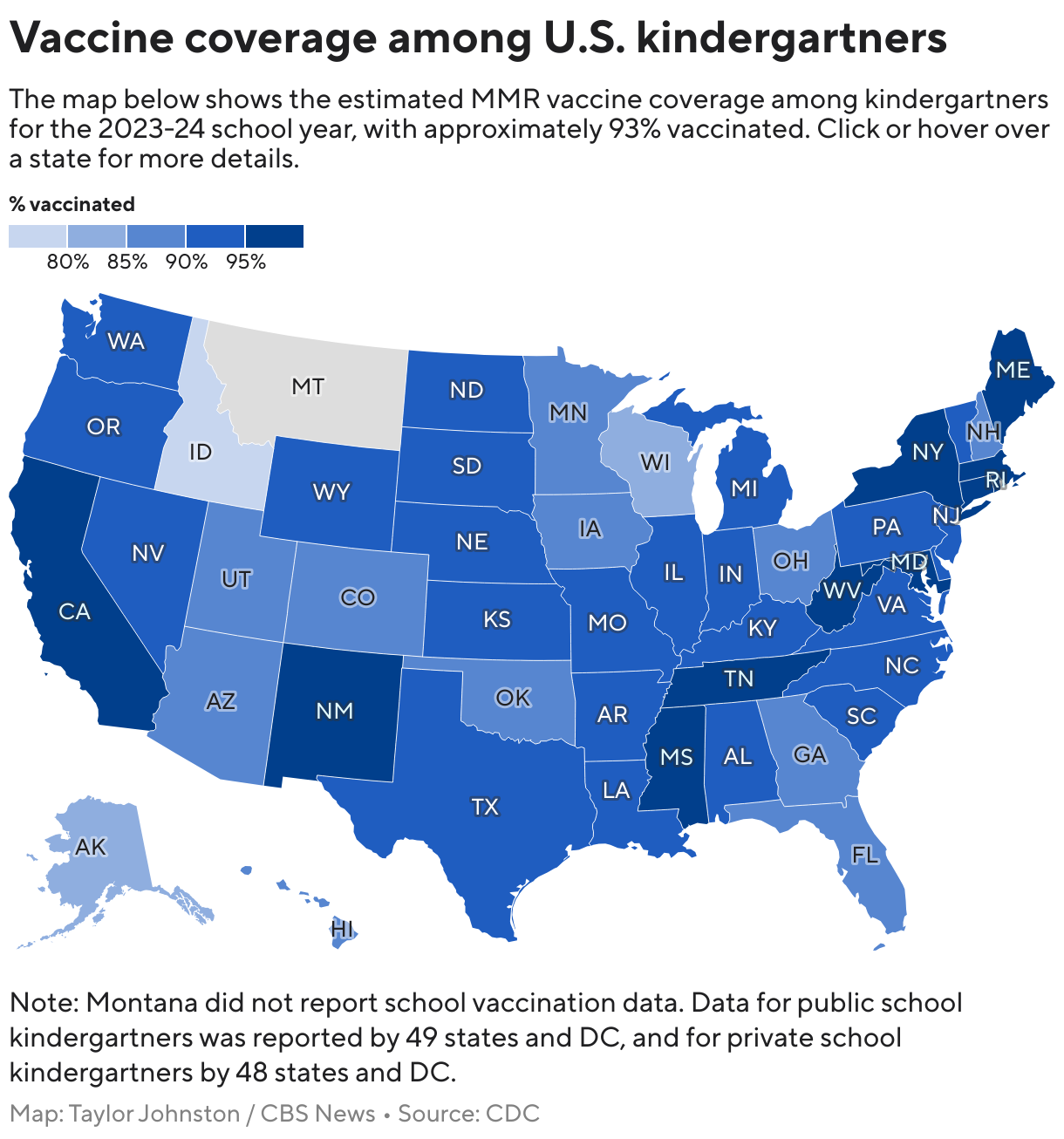
In response to the outbreak, health authorities have ramped up vaccination campaigns, encouraging all individuals, especially children and those who are unvaccinated, to receive the measles, mumps, and rubella (MMR) vaccine. The NCDHHS is offering free vaccination clinics throughout Wake County to increase immunization rates. Public health officials have also initiated outreach programs, distributing educational materials about the symptoms of measles and the importance of vaccination.
Local schools have been notified of the outbreak, and officials are advising parents to check their children’s vaccination records. Those who are not vaccinated are urged to stay home from school and public places until they are vaccinated.
Conclusion
The ongoing measles outbreak in Wake County serves as a critical reminder of the importance of vaccination in preventing infectious diseases. With heightened public health measures in place, authorities are hopeful that the situation can be contained quickly. As community immunity plays a vital role in protecting vulnerable populations, it is imperative for parents to ensure their children are up to date on all vaccinations. Public health experts predict that with collaborative efforts between healthcare providers and the community, Wake County can successfully combat the outbreak and reinforce the significance of vaccination moving forward.