Introduction
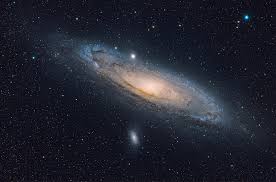
The Andromeda Galaxy, known as M31, is our closest galactic neighbor and has long fascinated astronomers and stargazers alike. Spanning approximately 220,000 light-years in diameter and containing around one trillion stars, this majestic spiral galaxy is a crucial area of study for understanding the formation and evolution of galaxies, as well as the future of our own Milky Way. Its relevance is heightened as recent technological advancements allow us to learn more about its structure and behavior.
Recent Discoveries
In an exciting development last year, researchers using the Hubble Space Telescope and various ground-based observatories made significant strides in our understanding of Andromeda. For instance, a study published in The Astrophysical Journal revealed that Andromeda is on a collision course with the Milky Way, predicted to occur in approximately 4.5 billion years. This potential interaction raises compelling questions about galactic dynamics and the future merger, which could result in a new galaxy.
Moreover, astronomers have successfully mapped the Andromeda Galaxy’s large-scale structure revealing intricate details about the galaxy’s composition and dynamics. This includes new insights into dark matter distribution and the orbital paths of stars within the galaxy, shedding light on the complex mechanisms that govern galactic formation.
The Importance of Studying Andromeda
The Andromeda Galaxy presents a unique opportunity for scientists to test theories of galaxy formation and evolution. With its proximity to Earth, observations can yield valuable data that would be difficult, if not impossible, to acquire from more distant galaxies. The ongoing exploration of Andromeda also helps to refine our understanding of fundamental astrophysical principles, such as star formation rates and the mechanics of supermassive black holes, which are present in most large galaxies.
Conclusion
As our understanding of the Andromeda Galaxy continues to deepen, it holds tremendous significance for both theoretical astrophysics and the broader scientific community. The eventual merger with the Milky Way raises intriguing possibilities for the fate of our galaxy and its inhabitants. As technology advances, enabling more precise measurements and observations, the Andromeda Galaxy will remain a focal point of research, inspiring future generations of astronomers to continue unraveling the mysteries of our cosmic neighborhood.