Introduction to Snipers
Snipers have played a crucial role in military operations for centuries, providing precision fire and intelligence support in various conflicts. The importance of snipers has amplified in modern warfare, where conflicts often take place in urban environments or asymmetric warfare scenarios. This article delves into the historical evolution of snipers, their training, and their significant impact on military strategy today.
Historical Background
The concept of sniping dates back to the 18th century, with expert marksmen taking on specialized roles in battle. However, it was during World War I and II that the role of the sniper was formally recognized, with dedicated training and tactics developed to optimize their effectiveness. Iconic conflicts, such as the Vietnam War and the Soviet-Afghan War, showcased the capabilities of snipers, leading to advancements in technology and tactics that define their role today.
Training and Skills
Becoming a sniper requires rigorous training that emphasizes marksmanship, stealth, observation, and communication skills. In the United States, programs like the Army Sniper School train highly skilled soldiers to engage targets at extreme distances while remaining undetected. Trainees learn various techniques, including camouflage, fieldcraft, and ballistics, to ensure they can perform effectively in diverse environments.
Equipment Used by Snipers
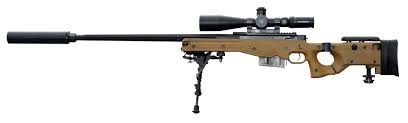
Modern snipers utilize advanced technology and customized weapons designed for superior accuracy. This includes high-powered rifles, advanced optics, and ballistic computers. Notably, many military snipers use rifles such as the M2010 Enhanced Sniper Rifle or the Barrett M82A1, which are capable of engaging targets from over a mile away. The equipment is continuously evolving, with innovations in materials and design enhancing snipers’ effectiveness on the battlefield.
Impact on Military Strategy
In contemporary warfare, snipers have significantly influenced military strategies. Their ability to gather intelligence, disrupt enemy operations, and eliminate key targets provides a precise tactical advantage. In conflicts in Iraq and Afghanistan, sniper teams have been integral in counterinsurgency, often operating alongside special forces and contributing to mission success through reconnaissance and direct fire support.
Conclusion
The role of snipers in modern warfare is pivotal, offering capabilities that extend beyond traditional combat. As warfare continues to evolve, so will the strategies and technologies surrounding sniping. This evolution underscores the importance of snipers not just as soldiers but as strategic assets in a complex military landscape. For future military adaptations, understanding the role and significance of snipers will be essential for both current and aspiring military professionals.