Introduction: The Intersection of UFOs and Military Tech
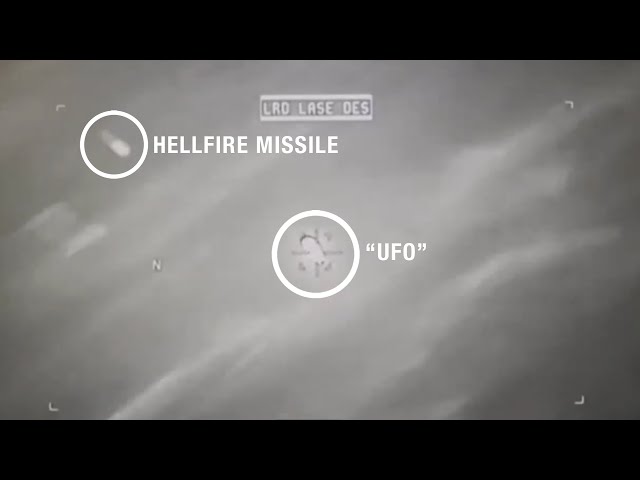
Unidentified Flying Objects (UFOs) have long been a topic of fascination and speculation. Recently, a new dimension has been added to the discussion with the emergence of the term “UFO Hellfire missile” in military and aerospace circles. This term raises questions about the potential of military technology interacting with unexplained aerial phenomena. Understanding this concept is crucial as various governments and defense agencies continue to explore the implications of both UFOs and advanced weaponry.
The Context of the UFO Hellfire Missile
In the wake of increased reporting of UFO sightings, particularly by military personnel, there has been a growing interest in analyzing these encounters from a technological perspective. The Boeing AGM-114 Hellfire missile is noted for its precision and is primarily used by armed forces for engaging armored vehicles and fortifications. However, discussions surrounding the “UFO Hellfire missile” suggest that this technology could potentially be used in interception or targeting scenarios involving unidentified aerial phenomena.
Reports from groups such as the U.S. Department of Defense (DoD) and the UAP (Unidentified Aerial Phenomena) Task Force indicate that military presence and technology may intersect with unexplained objects appearing in restricted airspace. During various encounters, pilots have described the agility and speed of unidentified objects, prompting scientists and military strategists to consider how advanced missile systems like the Hellfire could be employed to identify or engage these aerial threats.
Recent Developments and Reports
A recent government report detailed multiple interactions between military pilots and unexplained objects traversing high-speed against the backdrop of conventional aircraft. Some experts argue that advanced missile systems might be the key to intercepting potential threats posed by these UFOs. This includes the use of targeting technology and advanced tracking systems that the Hellfire missile employs. Conversations about developing or enhancing systems that could accommodate such interactions are gaining momentum.
Furthermore, with the increased transparency around UFO sightings, particularly from military sources, the debate has shifted from mere fascination with the unidentified to practical considerations of risk management and national security. The U.S. government has acknowledged the need for advanced defense protocols to evaluate these aerial phenomena critically.
Conclusion: The Future of Military Technologies Addressing UFOs
The discussion surrounding UFOs and the Hellfire missile is emblematic of a transformative era in military technology and its relationship with unexplained phenomena. As the boundaries between advanced military capabilities and unidentified threats blur, future innovations may not only redefine military engagement techniques but also challenge our understanding of aerial encounter scenarios.
For readers, staying informed about these advancements is essential as they hold implications for national security and our understanding of technological sophistication in dealing with the unknown. As discussions around UFO phenomena evolve, the integration of military technology like the Hellfire missile will play a crucial role in shaping future defense strategies.