Introduction
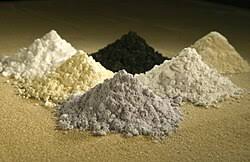
Rare earth minerals, a group of 17 chemical elements in the periodic table, play a crucial role in modern technology. From smartphones to electric vehicles and renewable energy systems, these minerals are vital for various applications, making them a significant focus in global trade and manufacturing. As the world increasingly shifts towards greener technologies and digital advancements, understanding the importance and dynamics of rare earth minerals is more relevant than ever.
What Are Rare Earth Minerals?
Rare earth minerals consist of 15 lanthanides plus scandium and yttrium. Although they are not particularly rare in terms of abundance in the Earth’s crust, they tend to be dispersed and difficult to extract economically. The main producers of rare earth minerals include China, Australia, and the United States, with China currently dominating the market, supplying around 60% of the global demand.
Recent Developments
In recent months, there has been a significant uptick in the demand for rare earth minerals driven by industries such as electric vehicles, where they are used in magnets for motors, and renewable energy technologies like wind turbines. The U.S. Department of Defense is particularly concerned about the reliance on imports for these critical materials and has initiated efforts to boost domestic production and recycling of rare earth elements.
For instance, in 2023, the Biden Administration announced a $240 million investment aimed at establishing a secure supply chain for rare earth minerals within the United States. This initiative is part of a broader strategy to reduce dependence on foreign sources and create jobs in the mineral extraction and processing sector.
Challenges Ahead
Despite the rising global interest in rare earth minerals, challenges abound, including environmental concerns associated with mining practices and geopolitical tensions regarding supply chains. China’s control over production and processing raises alarms among other nations, prompting allies to seek alternative sources and initiatives to create a more resilient supply chain.
Conclusion
The awareness and demand for rare earth minerals are expected to grow in the coming years, as these elements are fundamental to future technologies crucial for combatting climate change and advancing the digital economy. Reports indicate that the global rare earth market could exceed $10 billion by 2026. For readers, understanding the dynamics of rare earth minerals not only highlights their integral role in advancements but also the ongoing geopolitical shifts and opportunities for investments in sustainable mining practices. As the world pivots to greener solutions, rare earth minerals will undoubtedly take center stage.