Introduction
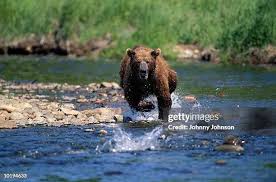
Grizzly bears, a symbol of wild North America, hold significant ecological importance as both apex predators and keystone species. With their populations being heavily affected by habitat destruction, hunting, and climate change, understanding the current state of grizzly bear conservation is crucial for maintaining biodiversity and ecosystem health.
The Current Status of Grizzly Bears
Recent studies indicate that grizzly bears once roamed much of the western U.S. and Canada, but their numbers have drastically declined due to various human activities. According to the U.S. Fish and Wildlife Service, the population of grizzly bears in the contiguous United States is now concentrated mainly in isolated areas such as Yellowstone and Glacier National Parks, with current estimates suggesting around 1,800 grizzly bears remain in the lower 48 states.
Conservation Efforts
Dedicated conservation programs aim to address the steep decline in bear populations. Initiatives such as the Interagency Grizzly Bear Committee guide cooperative efforts between federal, state, and tribal agencies to enhance bear habitats, reduce human-bear conflicts, and monitor populations. Significant achievements include the implementation of wildlife corridors that connect major bear habitats, which are vital for genetic diversity and overall ecosystem resilience.
Impact of Climate Change
As climate change continues to threaten various species, its effects on grizzly bears are becoming increasingly concerning. Research published by the University of Alberta highlights how rising temperatures are altering bear food sources, leading to nutritional stress, particularly during the critical spring and fall months. Furthermore, changing weather patterns can affect hibernation cycles and breeding success rates.
Community Involvement and Education
Local communities play a vital role in the success of grizzly bear conservation. Educational programs aim to inform residents and visitors about bear behavior and safety, emphasizing the importance of coexistence. Initiatives such as bear-proof garbage cans and fencing help reduce conflicts between grizzly bears and human populations, contributing to safer environments for both.
Conclusion
Conservation efforts for grizzly bears are crucial not only for the species itself but also for the health of the ecosystems they inhabit. As apex predators, their presence helps maintain the balance of various species and promotes biodiversity. Continued advocacy, community involvement, and increased funding for conservation projects are essential for ensuring that future generations can enjoy the majestic presence of grizzly bears in their natural habitats. The actions we take today could determine the survival of this iconic species for years to come.