Introduction to AI in Healthcare
The integration of artificial intelligence (AI) into healthcare represents a profound shift in how medical services are delivered. As technology continues to advance, AI is increasingly being utilized to improve patient outcomes, streamline processes, and reduce costs. The significance of AI in healthcare is underscored by its ability to analyze vast amounts of data quickly, providing healthcare professionals with insights that would be impossible to obtain manually.
Current Applications of AI in Healthcare
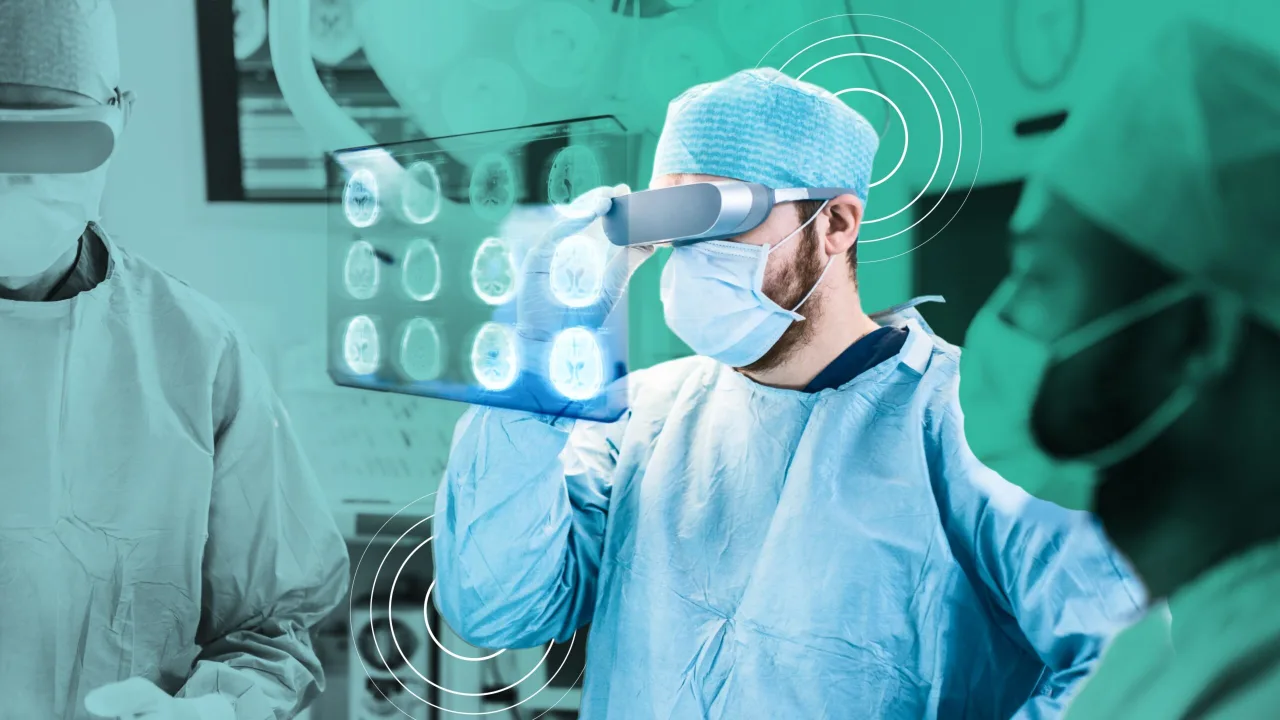
One of the most notable applications of AI in healthcare is in diagnostics. Machine learning algorithms are employed to analyze medical images, such as X-rays, MRIs, and CT scans, detecting anomalies with remarkable accuracy. For instance, AI tools developed by companies like Zebra Medical Vision and Google Health have shown promising results in detecting conditions like pneumonia and early-stage cancer more efficiently than traditional methods.
AI is also revolutionizing patient care management. Virtual health assistants powered by AI can provide patients with information, schedule appointments, and offer reminders for medications, thereby improving adherence to treatment plans. Furthermore, predictive analytics, a branch of AI, is being used to assess patient data and anticipate potential health crises, enabling proactive interventions.
Impact on Healthcare Operations
Healthcare providers are leveraging AI to optimize their operations. Administrative tasks, such as billing and claims processing, can be automated through AI systems, significantly reducing the administrative burden on medical staff. This automation not only increases efficiency but also allows healthcare professionals to focus more on patient care rather than paperwork.
Challenges and Future Outlook
Despite the numerous benefits, the integration of AI in healthcare is not without challenges. Concerns surrounding data privacy, ethical implications, and the potential for bias in AI algorithms pose significant hurdles. Additionally, the need for regulations and guidelines is crucial to ensure safe and equitable use of AI technology.
Looking ahead, the future of AI in healthcare appears promising. As technology continues to evolve, further advancements are expected in areas like personalized medicine and robotics. Continuous collaboration between tech companies and healthcare providers will be vital in driving innovation and overcoming existing challenges.
Conclusion
In conclusion, AI in healthcare is poised to transform the industry as we know it. With its potential to enhance diagnostics, improve patient management, and streamline operations, AI is making healthcare more efficient and accessible. The journey towards full integration may be complex, but the potential to improve health outcomes and patient experiences is undeniably significant.