Introduction
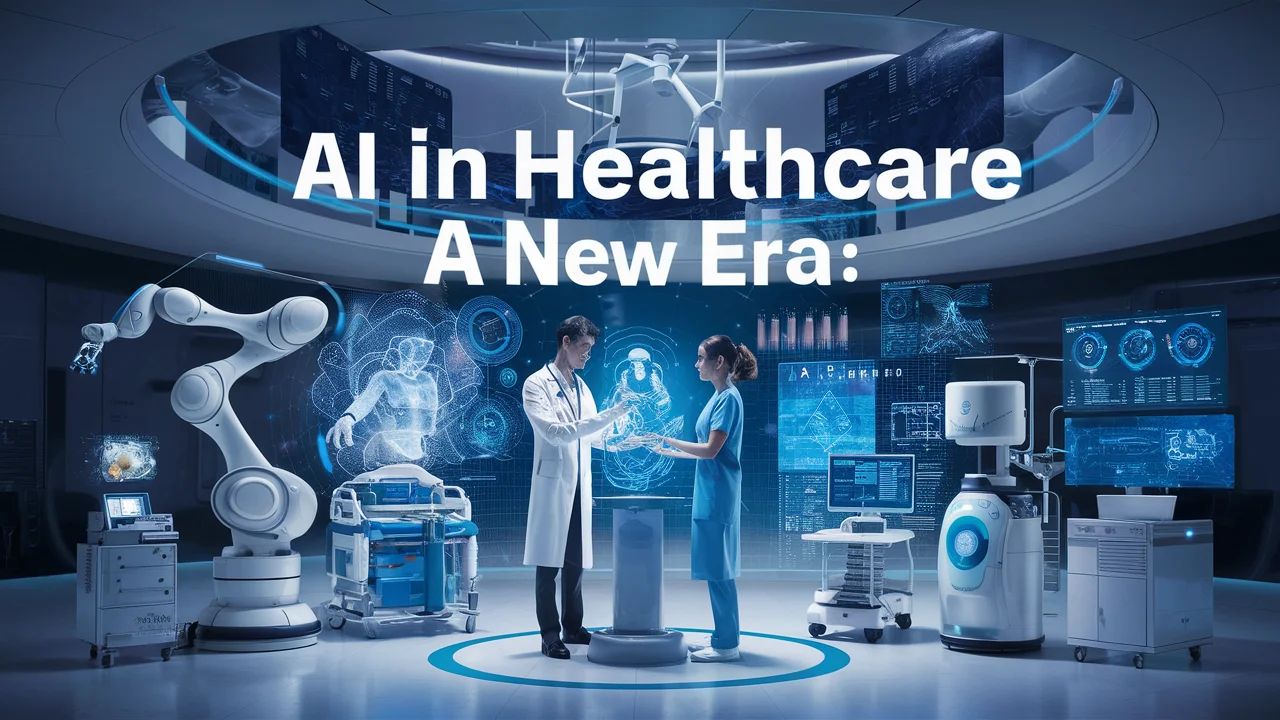
The integration of artificial intelligence (AI) in healthcare is transforming the landscape of patient care and medical diagnostics. As healthcare systems globally face challenges, including rising costs and increasing patient demands, AI has emerged as a powerful tool to enhance efficiency, accuracy, and overall patient outcomes. The relevance of AI in healthcare has only grown, especially in the wake of the COVID-19 pandemic, which accelerated the adoption of digital technologies in the medical field.
Current Applications of AI in Healthcare
AI technologies are being implemented in various areas of healthcare, including diagnostics, treatment planning, and patient management. For instance, AI algorithms are utilized in imaging diagnostics to analyze medical images from X-rays, MRIs, and CT scans with remarkable accuracy. A recent study demonstrated that AI can outperform human radiologists in identifying certain types of cancer at early stages, significantly improving prognosis rates.
Moreover, AI-driven predictive analytics are being used to assist hospitals in managing patient flow, particularly in emergency departments. By analyzing historical data and current trends, AI systems can forecast patient volumes, enabling better resource allocation. In addition, AI chatbots are increasingly providing initial health advice, reducing the workload on healthcare professionals and enhancing patient engagement.
Impact on Research and Drug Development
The pharmaceutical industry is also reaping the benefits of AI. Machine learning models can analyze vast datasets to identify potential drug candidates faster than traditional methods. A prominent example is Atomwise, a company that uses AI to predict which drug formulations might be effective against various diseases, including challenging conditions like Ebola and multiple sclerosis. This accelerates the time-to-market for new therapies, potentially saving lives and reducing costs.
Challenges and Ethical Considerations
Despite the benefits, the incorporation of AI in healthcare is not without challenges. Data privacy remains a significant concern, as sensitive patient information is required to train these AI models. Ensuring compliance with regulations like HIPAA in the United States is crucial for safeguarding patient information. Additionally, there is a pressing need for transparency in AI decision-making processes to maintain trust in healthcare systems.
Conclusion
AI in healthcare is poised to revolutionize how patient care is delivered and managed, making it more efficient and individualized. As technology continues to advance, it is essential for stakeholders, including healthcare providers, regulators, and patients, to engage in discussions around ethical implications and privacy issues. With the right measures in place, AI has the potential to significantly enhance healthcare outcomes for patients worldwide, paving the way for a healthier future.