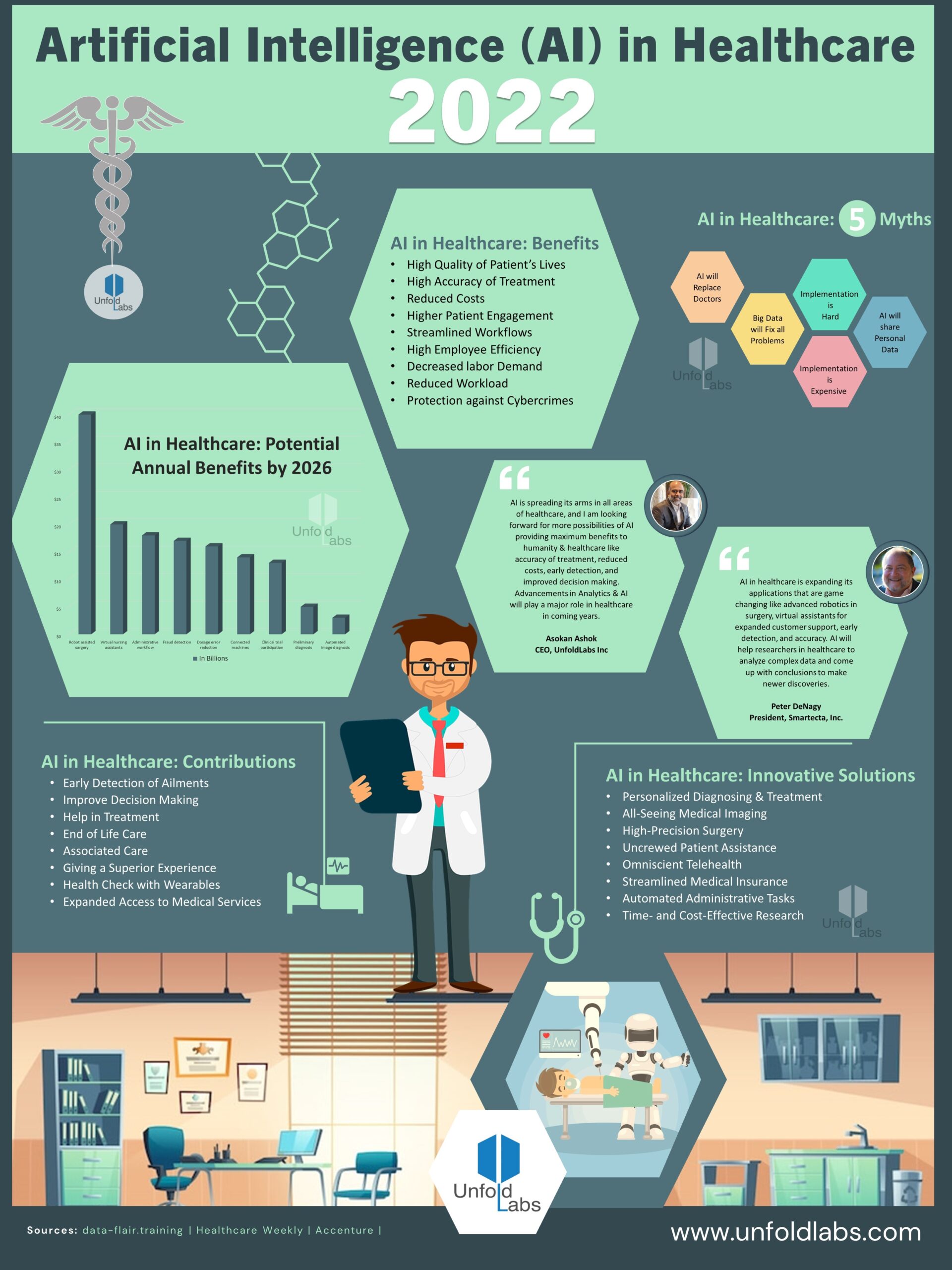
Introduction to AI in Healthcare
Artificial intelligence (AI) is making significant strides in the healthcare sector, marked by its ability to analyze vast amounts of data, improve diagnostic accuracy, and streamline patient management. The relevance of AI in healthcare has surged, especially in light of ongoing challenges like the COVID-19 pandemic and the increasing demand for efficient medical services. With advancements in machine learning, natural language processing, and predictive analytics, AI is complementing human efforts and reshaping the landscape of healthcare delivery.
Recent Developments and Applications
Recent developments in AI technology have led to its integration in various healthcare applications. One of the pivotal areas of this integration is in diagnostics, where AI algorithms can analyze medical images with remarkable precision. For instance, studies indicate that AI-enhanced tools can detect malignant tumors in mammograms with a sensitivity and specificity that often surpasses human radiologists.
Moreover, AI is being utilized for personalized treatment plans. Algorithms are capable of processing patient data to tailor treatment strategies, thereby boosting efficacy and improving patient outcomes. A notable example is IBM’s Watson, which offers oncologists evidence-based treatment options derived from evaluating numerous clinical studies and patient histories.
The Role of AI in Patient Management
AI is also significantly enhancing patient management practices. Chatbots and virtual health assistants are now commonplace, enabling patients to access preliminary health information and schedule appointments efficiently. During the COVID-19 pandemic, AI chatbots played a crucial role in screening and triaging patients remotely, significantly reducing the burden on healthcare facilities.
Furthermore, predictive analytics is empowering healthcare providers to anticipate patient needs, manage resource allocation better, and even predict possible epidemics. AI systems are increasingly being employed to analyze real-time data, which not only supports immediate healthcare provision but also aids in strategic planning for future healthcare challenges.
Challenges and Ethical Considerations
Despite the impressive capabilities of AI, challenges remain. Concerns regarding data privacy, algorithmic biases, and the need for regulatory standards persist. Ethical considerations regarding patient consent and the implications of AI decision-making in clinical settings need careful examination. As AI becomes more deeply embedded in healthcare systems, the importance of addressing these issues cannot be overstated.
Conclusion: The Future of AI in Healthcare
The transformation of healthcare through AI is just beginning. As technology evolves, so will its applications within the healthcare sector, promising more efficient, effective, and patient-centered care. The integration of AI in healthcare comes with great potential but also necessitates vigilant oversight to maximize benefits while mitigating risks. For healthcare stakeholders, staying informed and adapting to these changes will be crucial in navigating this innovative frontier. The future of AI in healthcare is bright, signifying an era of improved health outcomes and operational efficiencies.