Introduction to Freeze Warnings
As winter approaches, freeze warnings become a significant topic of concern for many. These alerts serve as vital notifications to the public about the potential for cold weather that could lead to adverse conditions for crops, plants, and vulnerable populations. Understanding the implications of these warnings is essential for preparedness and safety.
What Are Freeze Warnings?
Freeze warnings are issued by the National Weather Service (NWS) when temperatures are expected to drop to 32°F (0°C) or below for an extended period, causing frost to form. These conditions can be detrimental to agriculture, particularly for crops like vegetables, flowers, and fruits. Farmers and gardeners often need to take proactive measures to protect their plants from frost damage.
Current Trends and Recent Events
This winter season, the NWS has already issued several freeze warnings across various regions, especially in the Midwest and Northeast. For instance, a recent warning in late November alerted residents of Ohio and Pennsylvania about overnight lows threatening to dip below freezing. Residents were encouraged to take precautions, such as covering sensitive plants and providing adequate shelter for pets.
Consequences of Ignoring Freeze Warnings
Ignoring freeze warnings can lead to significant repercussions. Farmers may suffer crop loss, resulting in economic impacts and supply chain disruptions. Additionally, individuals who fail to protect their outdoor belongings or prepare for temperature drops may find themselves dealing with damaged property or health risks associated with extreme cold, such as hypothermia or frostbite.
Preparing for Freeze Warnings
To adequately prepare for freeze warnings, here are several recommended actions:
- Cover Plants: Use burlap, plastic sheets, or blankets to protect delicate plants.
- Bring Pets Indoors: Ensure pets have warm shelter and access to fresh water.
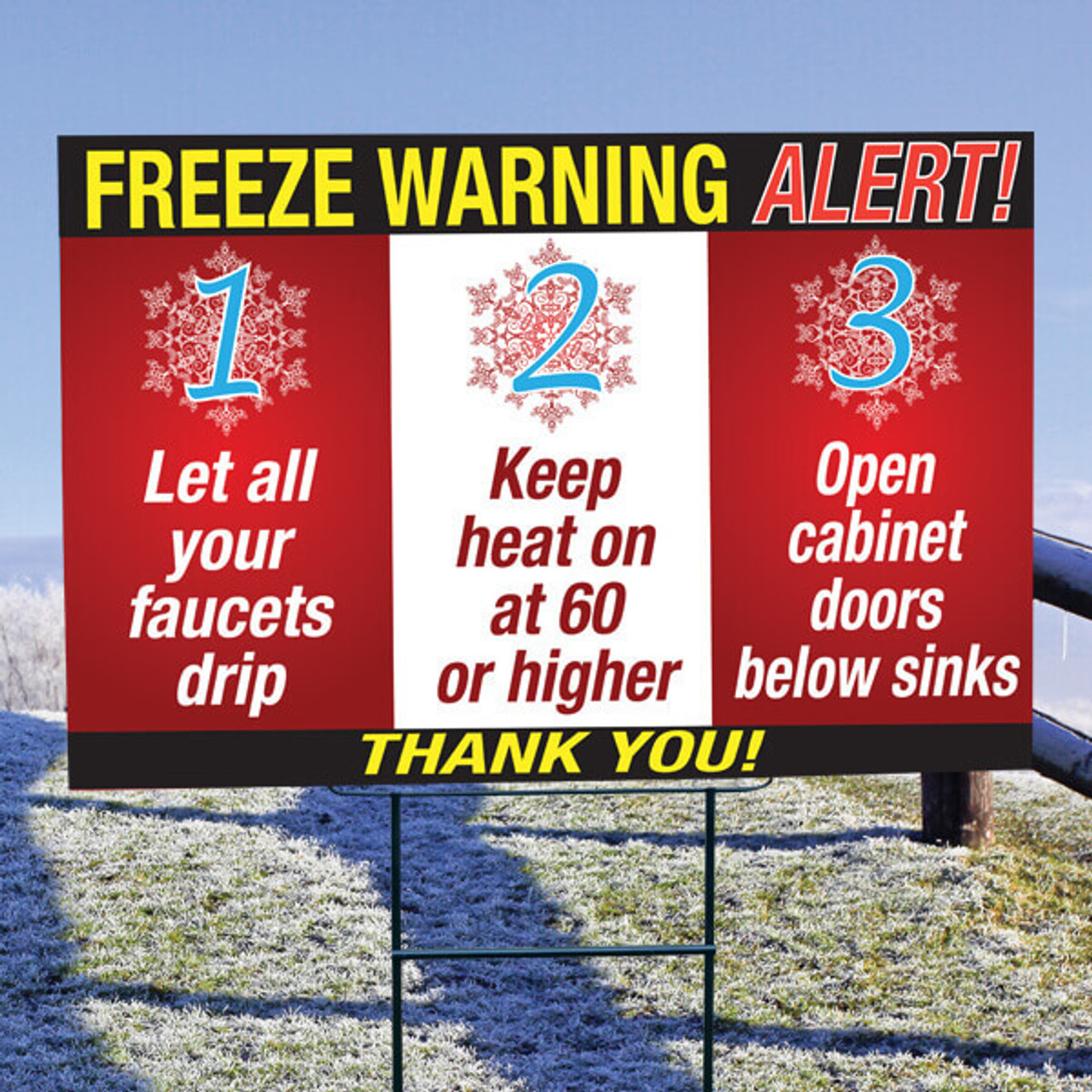
- Insulate Pipes: To avoid bursting pipes, insulate outdoor plumbing and let faucets drip overnight.
- Stay Informed: Keep updated on weather forecasts and warnings through reliable sources.
Conclusion
As climate patterns continue to evolve, the frequency of freeze warnings may vary year to year. Staying informed and preparing accordingly are critical steps in dealing with these winter alerts. An understanding of freeze warnings not only protects crops and property but also ensures the safety and well-being of individuals and families during the cold season. Vigilance and readiness can mitigate the risks posed by frigid temperatures, making winter a safer experience for everyone.