Introduction
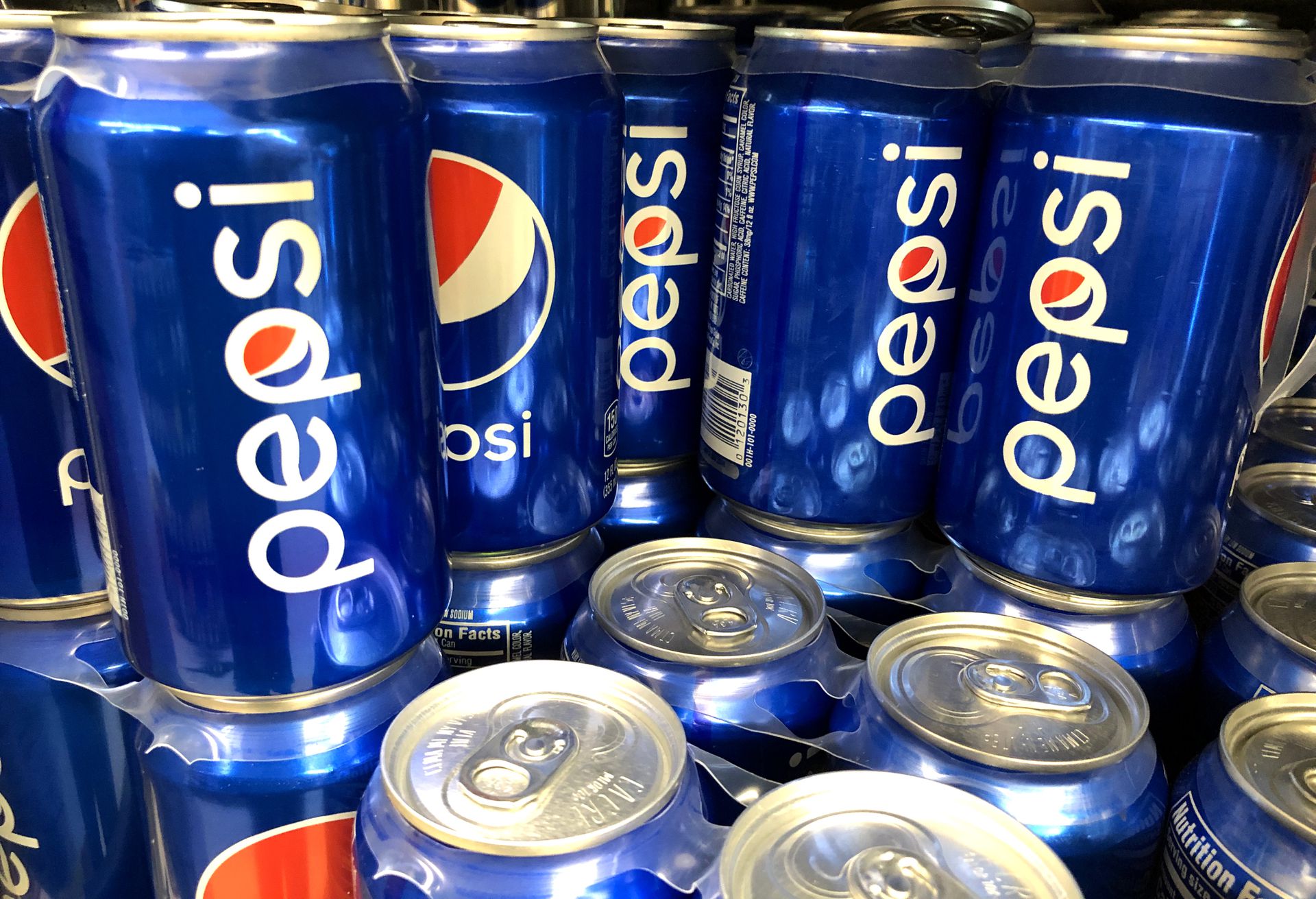
Pepsi, one of the world’s foremost beverage brands, has been a cornerstone of the beverage industry for over a century. Originally created in the late 19th century by pharmacist Caleb Bradham, Pepsi has evolved into a global giant, rivaling its competitors while adapting to changing consumer preferences. As people increasingly lean towards healthier options, understanding Pepsi’s strategic responses reveals the brand’s significance in the market.
The Legacy of Pepsi
Pepsi was first marketed in 1898 and gained popularity for its refreshing taste. Over the years, it has undergone numerous brand transformations, including its famous slogan “Live For Now,” which aims to resonate with a younger audience. The brand’s advertising strategies, especially during the ’80s and ’90s with celebrity endorsements, established its presence in popular culture.
Recent Developments
As of 2023, PepsiCo has been actively implementing sustainability initiatives, including its commitment to reducing plastics and increasing the use of recyclable materials in its packaging. The company has set ambitious goals: to make 100% of its packaging recyclable, compostable, or biodegradable by 2025. In response to the health-conscious market trend, PepsiCo is diversifying its product offerings with low-sugar and zero-calorie options, alongside expanding its line of healthier snacks and beverages.
Most notably, PepsiCo has announced plans to launch a new zero-sugar cola that aims to taste as close to the classic Pepsi as possible. This product represents the company’s response to consumers seeking lower-calorie alternatives without sacrificing flavor.
Pepsi’s Market Influence
The impact of Pepsi extends beyond just beverages; it plays a critical role in advertising, sponsorship, and social causes. The brand’s sponsorship of major events such as the Super Bowl highlights its effort to engage with consumers, while its philanthropic initiatives aim to tackle issues from water scarcity to childhood obesity. Recently, Pepsi launched a campaign focused on environmental sustainability, encouraging consumers to be mindful of their environmental footprint.
Conclusion
In conclusion, Pepsi remains a formidable force in the global beverage market by continuously adapting to social trends and consumer demands. Its efforts to innovate and promote sustainability are significant not only for the company’s brand image but also for the broader beverage industry. As Pepsi continues to navigate challenges and opportunities, consumers can expect a blend of tradition and modernity from one of the most recognizable brands in the world.