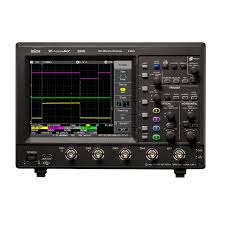
Introduction to Waves
Waves are fundamental phenomena observed in various forms across the universe, from ocean waves to sound waves. They play a crucial role in multiple scientific fields, including physics, engineering, and environmental science. Understanding the properties and behaviors of waves is essential for advancements in technology and comprehension of natural processes.
Types of Waves
Waves can be categorized primarily into two types: mechanical and electromagnetic. Mechanical waves, such as sound waves and water waves, require a medium to travel through. Electromagnetic waves, which include light, microwaves, and radio waves, do not need a medium and can propagate through a vacuum. The study of these different wave types supports numerous applications in technology and medicine.
Recent Developments in Wave Research
Recent advancements in wave research have highlighted their significance in numerous disciplines. For instance, scientists have been exploring new materials that can harness sound waves to create energy-efficient systems in buildings and transportation. In telecommunications, the manipulation of electromagnetic waves underpins the rapid advancement of wireless technologies, including 5G networks. Additionally, research in environmental science has focused on ocean waves, emphasizing their role in climate change and ecosystems.
The Importance of Waves in Daily Life
Waves impact everyday life more than most people realize. The sounds we hear, the light we see, and even the information transmitted to our devices rely on wave phenomena. Understanding how waves work can enhance our knowledge of weather patterns, help in medical imaging technologies, and support innovations in communication systems. As advancements in technology continue to evolve, our understanding and application of wave dynamics will likely expand further.
Conclusion
In conclusion, waves are a vital part of the natural world and technological advancements. As research continues, we can expect groundbreaking developments that leverage wave dynamics to improve our understanding of the universe and enhance our quality of life. The continued importance of waves underscores the need for ongoing education and exploration in this field, particularly for future generations of scientists and engineers.