Introduction
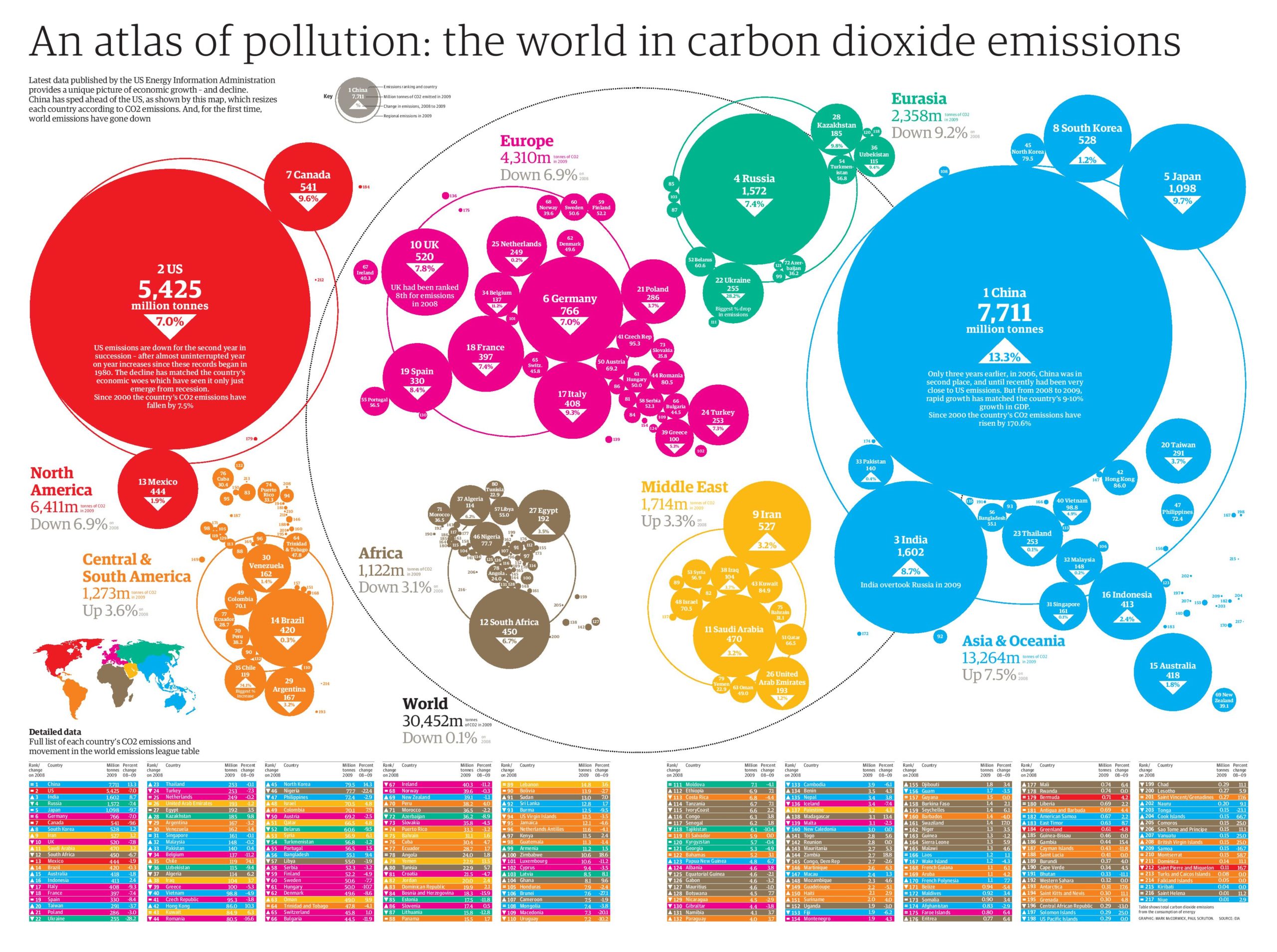
Climate change is a critical global issue that affects our environment, economy, and health. With rising temperatures, shifting weather patterns, and increasing natural disasters, understanding the effects of climate change has never been more important. It not only impacts ecosystems but also human livelihoods and public health, making it a pressing concern for individuals and governments alike.
Main Body
1. Rising Temperatures
Global average temperatures have surged approximately 1.1 degrees Celsius since the late 19th century due to human activities, primarily fossil fuel burning. This warming has led to extreme heat events, contributing to droughts and wildfires that devastate ecosystems and neighborhoods.
2. Melting Ice and Rising Seas
The Polar Regions are experiencing significant ice loss, with glaciers and ice sheets in Greenland and Antarctica contributing to rising sea levels. According to NASA, oceans have risen about 8-9 inches since 1880, threatening coastal communities and legacy cities.
3. More Severe Weather Events
Climate change is linked to an increase in the frequency and intensity of extreme weather conditions, including hurricanes, floods, and winter storms. The United Nations has warned that these phenomena have become more severe, leading to severe disruptions in infrastructure and loss of life worldwide.
4. Impact on Biodiversity
Shifts in habitats due to changing climates pose significant risks to biodiversity. Studies indicate that many species may face extinction if temperatures continue to rise unchecked. Changes in migration patterns and animal behaviors further disrupt ecosystems, leading to imbalances that can affect food chains and habitat integrity.
5. Economic Consequences
The economic ramifications of climate change are staggering, with the potential for trillions of dollars in damages. Industries like agriculture, insurance, and tourism are heavily affected as weather patterns shift and natural resources dwindle. A report by the World Bank indicates that climate change could push over 100 million people into extreme poverty by 2030.
Conclusion
The effects of climate change are profound and multifaceted, impacting our environment, economies, and communities. As we approach a critical juncture, it is essential for individuals and policymakers to recognize these implications and take actionable steps towards mitigation and adaptation strategies. Investing in renewable energy, enhancing conservation efforts, and promoting sustainable practices are crucial to combatting climate change. Only through collective action can we hope to mitigate the long-term effects of climate change and secure a viable future for subsequent generations.