Introduction
Coastal flood warnings have become increasingly critical for communities living along shorelines, especially as climate change intensifies the frequency and severity of storms. These alerts are essential in preparing for potential flooding caused by high tides, storm surges, and other coastal weather conditions. Maintaining awareness of coastal flood warnings can save lives, protect property, and ensure the safety of those living in vulnerable areas.
What Are Coastal Flood Warnings?
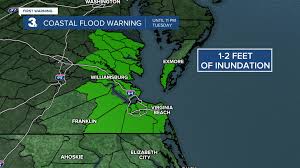
A coastal flood warning is issued by meteorological agencies to alert the public of impending flood events that could impact coastal regions. These warnings indicate that flooding is imminent or already occurring, and they generally highlight the expected onset of hazardous weather conditions, tidal behavior, and waves. The National Weather Service (NWS), along with various state and local agencies, monitors weather patterns and ocean conditions to provide these crucial updates.
Current Events and Coastal Flooding Risks
September 2023 saw a series of devastating storms, highlighting the importance of timely flood warnings. Tropical Storm Fiona, which recently struck the southeastern coast, prompted emergency declarations in multiple states. Residents were advised to heed coastal flood warnings as tides reached levels that caused significant erosion and flooding in population-dense areas. Aquatic ecosystems, infrastructure, and local economies were impacted as communities braced for high winds and rising waters.
Experts estimate that rising sea levels could increase the frequency of coastal flood warning incidents. Data from the National Oceanic and Atmospheric Administration (NOAA) indicates that with current climate trends, high tide flooding could increase in frequency by 25 to 60 times by the end of the century if proactive measures are not taken.
How to Stay Informed
<pResidents in coastal regions should stay informed of impending coastal flood warnings and follow guidance from local authorities. Emergency management agencies recommend signing up for alerts through weather apps, local news outlets, and social media channels to receive real-time updates. Moreover, creating emergency plans and assembling disaster supply kits can significantly mitigate risks during severe weather events.
Conclusion
Coastal flood warnings are a critical tool for protecting lives and property in vulnerable areas. With scientists and meteorologists warning of more extreme weather events linked to climate change, the relevance of these alerts will continue to grow. Communities must prioritize readiness and awareness to navigate the challenges posed by coastal flooding effectively. As we look to the future, adapting infrastructure and enhancing community preparedness will play a key role in minimizing the impacts of coastal flood disasters.